The government council adopted on Thursday a decree, opening supplementary budget appropriations to the general budget for fiscal year 2026, to finance a set of protective measures made necessary by the economic spillover from the Middle East conflict. Government spokesperson Mustapha Baitas confirmed the measure at a post-council press conference, framing it as urgent in view of the need to mobilize unplanned additional credits to absorb the impact of the ongoing regional crisis and its effects on energy and commodity markets.
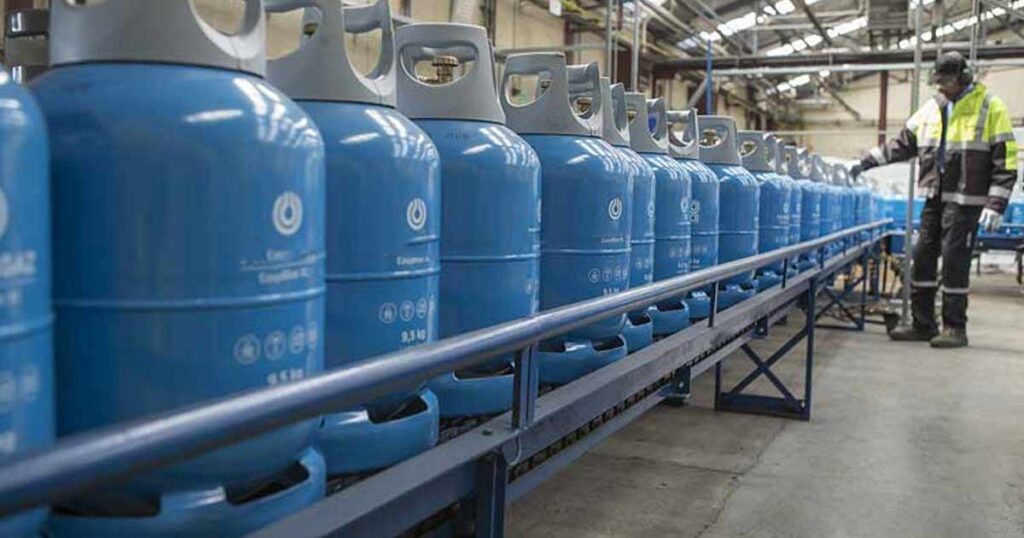
The core of the measure is the decision not to pass on to consumers the substantial rise in international energy prices. The subsidy on butane gas cylinders has been raised from 30 dirhams to 78 dirhams per 12-kilogram bottle, holding the consumer price steady despite a surge of more than 68 percent in international butane prices since the beginning of the Middle East conflict in March. Budget Minister Fouzi Lekjaa estimated the monthly cost of the butane subsidy at approximately 600 million dirhams. Electricity tariffs are also being maintained at current levels, at an additional estimated cost of 400 million dirhams per month, shielding households and industrial users from a global energy price environment significantly elevated by the disruption to Gulf gas production.
Transport professionals are also covered under the decree as direct financial support for road freight and passenger carriers, already activated in earlier phases of the crisis and disbursed through a dedicated digital platform, is being extended and reinforced. The government indicated that more than 87,000 applications had been registered through the platform, and that processing and payment of the latest tranche is under way.
The decree also provides for additional financing of measures taken in response to the royal instructions concerning the consequences of the January-February 2026 floods in the Gharb and Loukkos regions, which displaced 188,000 people and submerged over 110,000 hectares of agricultural land.
A reinforcement of the capital of certain public enterprises and establishments is included in the supplementary credits, alongside coverage for exceptional spending arising from the international conjunctural evolution.
The broader context that frames the decree is one of sustained fiscal pressure meeting sustained social commitment. Budget Minister Lekjaa, in a parallel appearance before the Chamber of Councillors, defended the macroeconomic picture: currency reserves at 469.8 billion dirhams, tax revenues up 10.4 billion dirhams year-on-year, inflation held below one percent, and growth expected above 5.3 percent for 2026. The supplementary credits are positioned as a reaffirmation, under exceptional external pressure, of Morocco’s governing commitment to protect household purchasing power and continuity of essential services regardless of global market volatility.