Morocco aims to become “a platform for co-building regional champions serving Africa and open to the world,” Minister Delegate in charge of Investment Karim Zidane said Thursday in Kigali at the Africa CEO Forum 2026, held under the theme “Scale or Fail: Why Africa Must Embrace Shared Ownership?”
Speaking during the “Invest in Morocco” session, Zidane said the issue today is no longer limited to attracting investment, but also involves supporting African companies to foster innovation, integration into regional value chains and expansion beyond domestic markets.
Morocco has chosen to build a competitive, open and industrialized economy firmly anchored in its African environment and integrated into the global economy, he stressed.
Morocco has made Africa a strategic pillar of its investment and cooperation policy, Zidane noted, adding that the Kingdom is now among the leading African investors on the continent, notably in banking, telecommunications, agriculture and renewable energy.
The official further highlighted reforms undertaken to modernize Morocco’s investment ecosystem, notably the new Investment Charter, which entered into force in 2023 and introduced a more targeted and impact-oriented incentive framework.
Since the charter’s implementation, foreign direct investment rose from $4 billion in 2023 to over $6 billion in 2025, marking an increase of more than 50% in two years, Zidane added.
He also highlighted Morocco’s stability, infrastructure quality, free trade agreements, proximity to Europe and qualified human capital, and reaffirmed the Kingdom’s readiness to “serve as a springboard, industrial platform and growth hub for companies targeting African and international markets”.
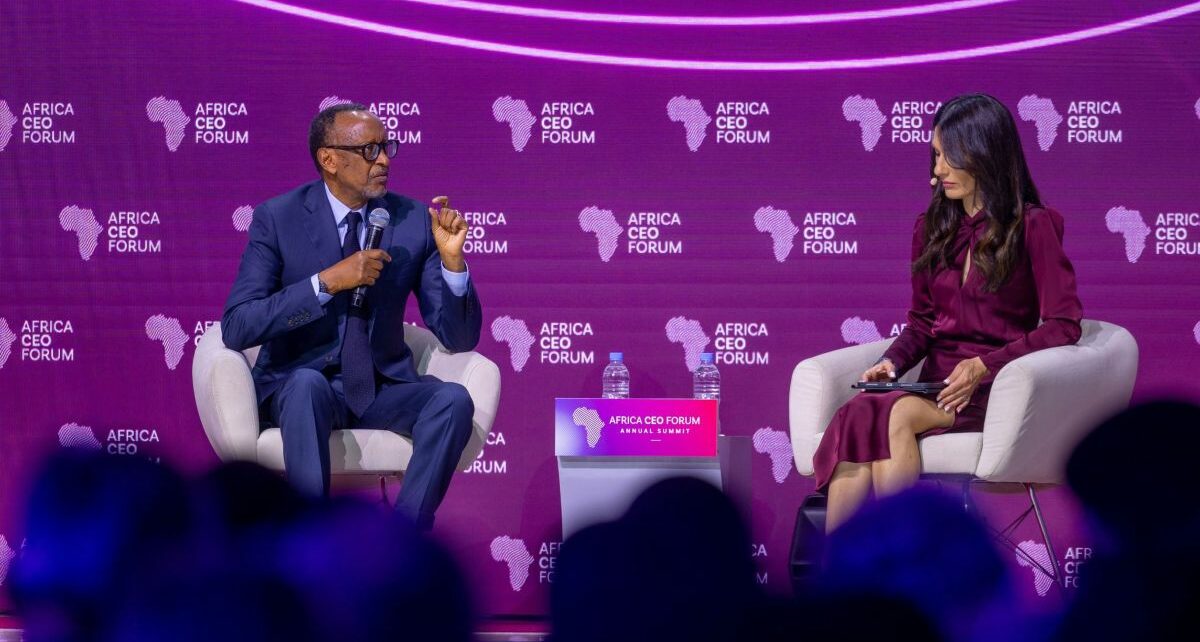
Speaking at the opening of the forum, Rwandan President Paul Kagame stressed that Africa must fully recognize its position in the global system and move from analysis to concrete action and autonomous development.
In this regard, President Kagame called for stronger collective action among African countries in order to transform this potential into tangible results and help the continent secure a more balanced standing in an ever-changing global order.
For his part, Makhtar Diop Managing Director of the International Finance Corporation (IFC) noted that Africa must now translate its potential into concrete outcomes through accelerated private investment and deeper economic integration.
Amidst global uncertainties, he stressed the need to strengthen macroeconomic fundamentals in order to build more resilient African economies.
Amir Ben Yahmed, CEO of Jeune Afrique Media Group, the organizer of the forum, spoke of the difficulties faced by some African Companies during the expansion into continental markets, referring to regulatory barriers and restrictions on the movement of capital as major impediments on their regional development.
Ten years after the launch of AfCFTA negotiations, the Africa CEO Forum community is gathering in Kigali to turn this vision into concrete commitments and to explore ways for African companies to reach the volume needed to compete, integrate and thrive in an increasingly fragmented world.