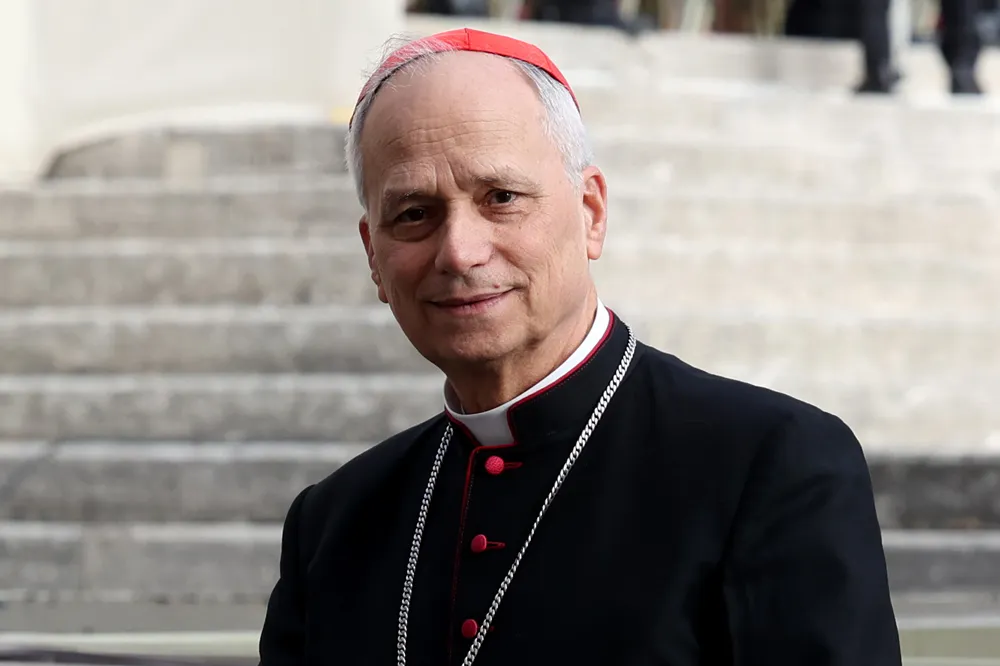
Pope Leo XIV’s upcoming visit to Algeria risks being used by the authorities to whitewash an authoritarian system that persecutes Christians, closes churches and curtails religious freedom, diplomats and rights advocates say.
The April 13–15 trip, the first by a pontiff to Algeria, has been presented by Algiers as a historic moment of dialogue and tolerance.
Several human rights organizations have urged Pope Leo XIV to use his visit to confront Algeria’s dismal record on religious freedom, warning that Christians face systematic repression despite official claims of tolerance. In a joint appeal issued this month, Human Rights Watch, MENA Rights Group and EuroMed Rights called on the Pope to raise cases of church closures, prosecutions of Christians for “unauthorized worship,” and the removal of constitutional protections for freedom of conscience.
The groups said religious minorities, including Catholic and Protestant communities, are subjected to discriminatory laws and administrative harassment that make normal religious life impossible.
Christian advocacy organizations have echoed those concerns. The European Centre for Law and Justice, alongside Christian Solidarity International and Jubilee Campaign, has warned that Algerian authorities have shuttered dozens of churches, denied visas to clergy and forced worship into private homes.
They argue that a papal visit, if not accompanied by clear public messaging, risks being instrumentalised by the government to obscure ongoing repression. “Symbolic engagement without accountability,” one statement warned, “could entrench a narrative of openness that is contradicted by the lived reality of Christians in Algeria.”
The Vatican says the Pope will visit Algiers and travel east to sites linked to Saint Augustine, an early Christian theologian born in what is now Souk Ahras and later bishop of Hippo Regius, modern-day Annaba.
“No pope has ever visited Algeria, and the regime knows exactly how to use this,” said Xavier Driencourt, former French ambassador to Algiers. “It offers international legitimacy at a moment when repression at home has reached unprecedented levels.”
President Abdelmadjid Tebboune’s government has intensified pressure on journalists, activists and perceived dissenters, with arrests over social media posts and symbolic acts. Western diplomats say the papal visit allows the regime to project an image of openness abroad while silencing criticism at home.
More pointedly, critics say the visit distracts from Algeria’s treatment of its small Christian minority.
Apostasy is criminalized, proselytism is banned, and visas for priests and religious workers are frequently denied. Churches- particularly in the Kabylia region- have been closed in recent years, and Catholic charities face administrative barriers that limit their operations.
“These restrictions are systematic,” Driencourt said in an op-ed on le360. “As ambassador, I repeatedly had to intervene simply to obtain visas for priests or nuns.”