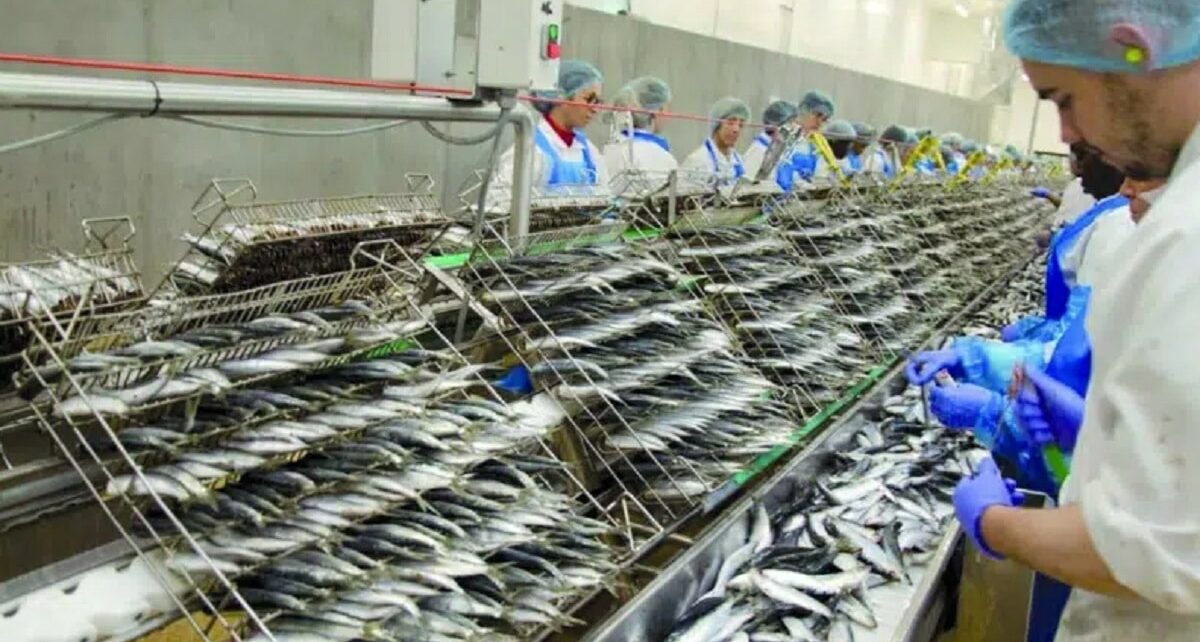
Morocco’s February 2026 decision to ban sardine exports to the European Union has set off an industrial and diplomatic crisis in Spain, where the regional parliament of Galicia has passed a motion demanding urgent government action to negotiate the ban’s reversal with Rabat.
Effective from February 1 and expected to remain in force for at least a year, the prohibition covers all forms of frozen sardine destined for EU member states. Morocco cited declining catches and the need to protect domestic supply as justification. The ban’s impact on Galicia’s canning sector has been immediate: Morocco supplies approximately 90% of the frozen sardine consumed by Galician canneries, with Spanish imports from Morocco reaching 27,400 tonnes between January and October 2025 alone — representing between 64% and 94% of total Spanish imports of the product.
The Galician parliament motion, introduced by the PPdeG and backed by the PSdeG, calls on Spain’s central government to open direct diplomatic talks with Rabat and to refer the matter to the European Commission to protect European processors under existing international agreements. The Galician Nationalist Bloc abstained, using the session to revive familiar anti-Morocco rhetoric tied to the October 2024 EU Court of Justice ruling — a verdict widely criticized for granting standing to the Polisario Front despite its absence of recognized international legal personality, and one dismissed by Morocco’s Foreign Ministry as irrelevant to bilateral relations.
The diplomatic backdrop complicates Spain’s position. On January 29, 2026, all 27 EU member states adopted a unified position at the EU-Morocco Association Council in Brussels, supporting UN Security Council Resolution 2797 and recognizing meaningful autonomy as the most credible path forward for Western Sahara. Spain’s customs authority simultaneously extended full preferential treatment to products from Morocco’s southern provinces under the updated 1996 Association Agreement — anchoring a €21 billion bilateral trade relationship.
The ban has also drawn scrutiny over timing: reports indicate that Morocco simultaneously opened its waters to Russian fishing fleets for sardine harvesting, a contradiction that industry groups and parliamentary members have flagged as commercially and politically significant.