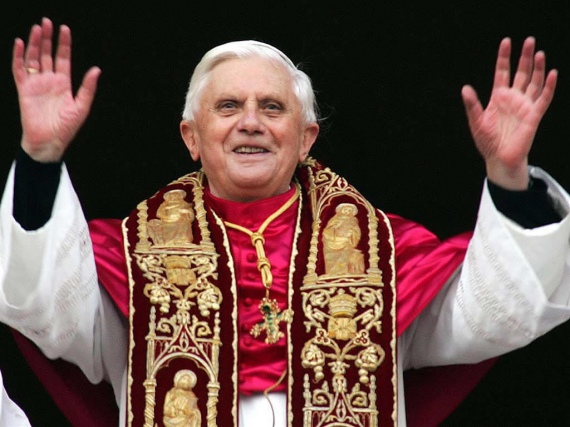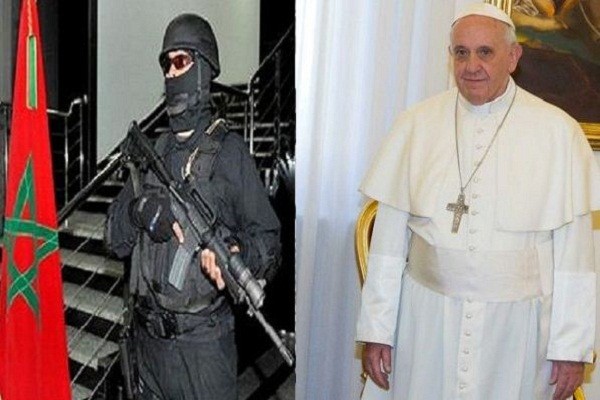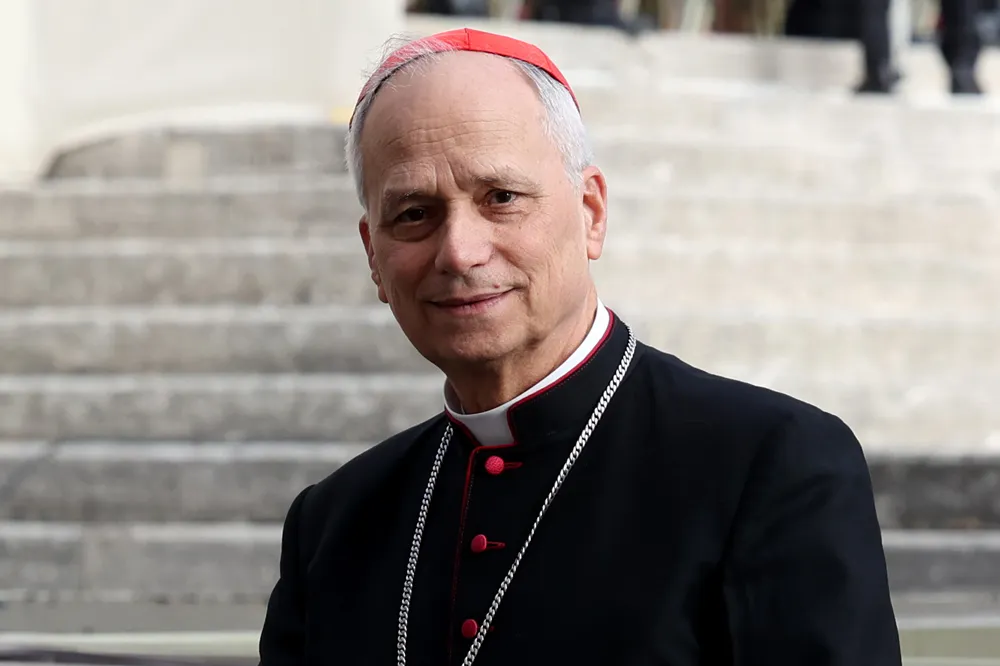
Algeria is preparing to welcome Pope Léon XIV in April, promoting the trip as a celebration of its early Christian heritage and connection to Saint Augustine. But international rights groups warn the visit comes amid one of the harshest crackdowns on Christians in North Africa.
Nearly all Protestant churches have been closed by administrative order, leaving only four of the 47 churches operating in 2017 legally open today. Most worship now takes place quietly in private homes to avoid accusations of holding illegal assemblies.
Repression is particularly severe in Kabylie, home to a growing Protestant community. Christians face harassment, arrests, and prosecutions for “unauthorized worship,” with even carrying a Bible being treated as proselytism.
A Kabylie Christian coalition warned in 2025 of the “near‑complete elimination of Protestant worship spaces” and denounced the use of Article 87-an anti‑terrorism provision- to criminalize peaceful worship.
International advocacy groups report at least 18 Algerian Christians currently facing prison sentences for their faith, including Pastor Youssef Ourahmane, vice‑president of the Protestant Church of Algeria (EPA).
Even the Catholic Church, traditionally cautious, has been affected. In 2022, authorities ordered the shutdown of Caritas Algérie, the main Catholic humanitarian arm, calling it an unauthorized organization.
Open Doors ranks Algeria among the world’s most repressive countries for Christians, noting that all 47 Protestant EPA churches have ceased activities due to government closures, alongside more than 50 prosecutions of Christians in recent years.
The US Commission on International Religious Freedom (USCIRF) reports that Algeria has closed “nearly all evangelical churches,” leaving only one open as of 2024. It cites systematic use of Ordinance 06‑03 (restricting non‑Muslim worship) and Penal Code Article 144 (blasphemy) to prosecute Christians.
USCIRF has repeatedly recommended that Algeria remain on the State Department’s Special Watch List, a designation it has held since 2021.
The US State Department similarly notes arrests, fines, church closures, and restrictions on importing Bibles, describing a pattern of discrimination against non‑Muslim minorities