A series of US government assessments issued between 2021 and 2025 depict Algeria as an entrenched authoritarian system dominated by the military, with Washington expressing growing concern over political repression, limits on civil liberties, state-controlled economy and use of proxies involved in terrorist acts in the region.
The reports come as Senator Ted Cruz introduces legislation in the US Senate calling for classifying Algeria’s Polisario proxies as a terrorist organization, with Representative Joe Wilson sponsoring a similar bill in the Congress.
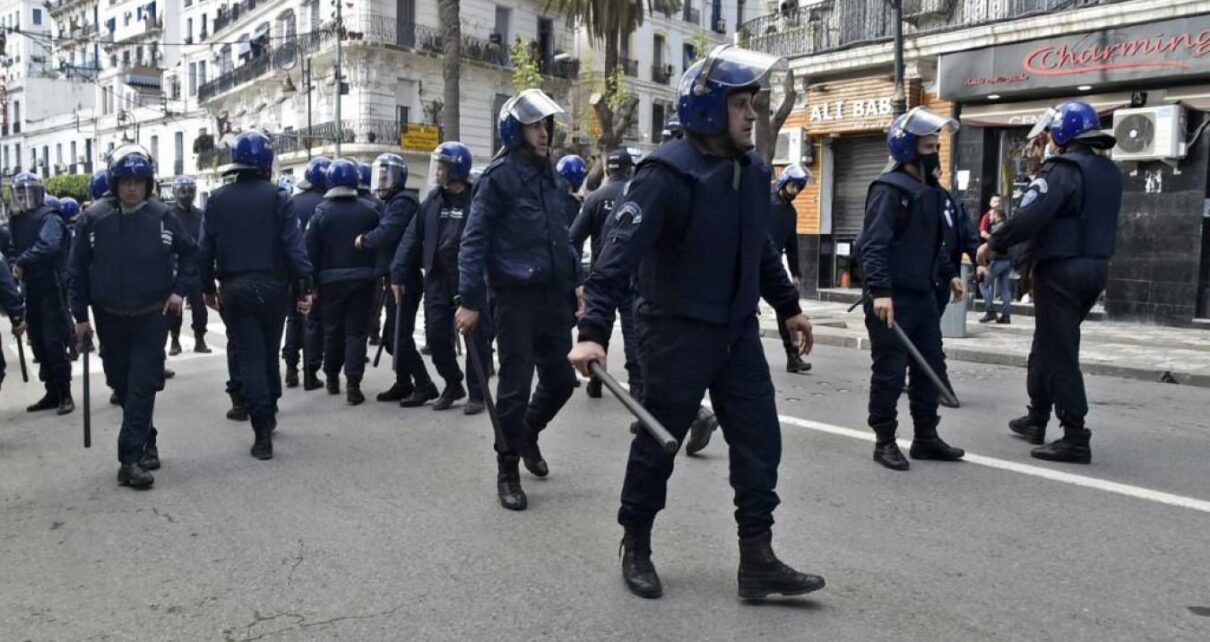
According to the State Department’s successive human‑rights reports, Algerian security forces engaged in arbitrary arrests, maintained what the department describes as “political prisons,” and were implicated in torture allegations. The reports cites “serious problems of judicial independence,” noting that President Abdelmadjid Tebboune appoints prosecutors and judges without effective oversight.
US rights monitors say at least 250 people were detained in 2023 for peacefully expressing their opinions. Journalists, lawyers and activists face systematic harassment, and civil‑society groups have repeatedly urged the government to release detainees they consider political prisoners. International rapporteurs cited by Congress say investigations rarely lead to fair trials.
Washington also reports that Algeria’s political reforms remain largely cosmetic. The 2020 constitution, adopted after the Hirak protest movement, did little to shift power away from the security establishment. Legislative elections in 2021 and 2024 were boycotted by much of the opposition, and congressional reviewers say the votes were held under close military monitoring. US assessments identify Tebboune as the central decision‑maker despite official claims of institutional renewal.
Freedom of expression and association remain restricted. New media laws adopted in 2023 require journalists to disclose sources and expand state control over online outlets. Associations face closures, judicial pressure and prosecution under an expanded anti‑terrorism law introduced in 2021, which US officials say encompasses non‑violent political activity.
Economically, U.S. investment reports describe Algeria as hampered by bureaucracy, shifting regulations and heavy state intervention. The oil and gas sector continues to generate about 95% of export earnings, while fiscal deficits have widened sharply, rising from an estimated $29 billion in 2022 to $62 billion in 2024. Investors face customs delays, foreign‑currency restrictions and a regulatory environment that U.S. officials say remains unpredictable.
Youth unemployment near 30% fuels social discontent, and many of those detained in recent years are young activists tied to post‑Hirak mobilizations.