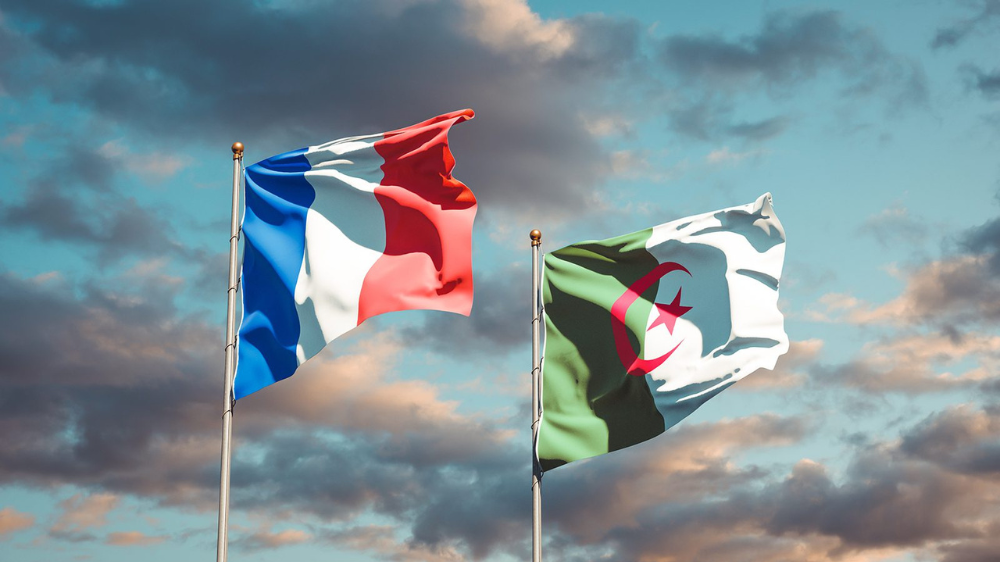
Former French ambassador to Algeria Xavier Driencourt and Algerian journalist Daoud Imoulayen urged, in a tribune published in the Journal du Dimanche, France to implement a “radical break” in its relationship with Algeria in 2027, accusing Algiers of persistent hostility and Paris of maintaining an increasingly untenable posture of weakness.
The authors sharply criticize the recent visit of Ségolène Royal to Algiers, during which she attempted to whitewash an Algerian regime that made hostility to France its legitimation peg.
Royal, now president of the France–Algeria association and who has no diplomatic mandate, offered to meet Algerian demands in the name of “dialogue,” reinforcing what the tribune authors describe as the image of a “weak France” facing an “hostile and manipulative” regime.
The two argue that the bilateral relationship has deteriorated over the course of President Emmanuel Macron’s two terms, culminating, they say, in “total collapse.” They accuse France of having “lost its grip” and of failing to respond to actions by the Algerian authorities, from the refusal to issue consular passes for undocumented nationals to the use of online influencers promoting anti-French narratives.
They also point to the continued presence of Algerian elites in France, despite visa restrictions imposed in recent years, and accuse Paris of overlooking financial and real-estate networks that benefit high-ranking Algerian officials.
The tribune highlights what its authors call a state-driven anti-French sentiment in Algeria, citing the progressive removal of the French language from official and educational spheres in favor of English, while thousands of Algerian students continue to remain in France thanks to the 1968 bilateral agreement on movement and residence.
Algeria’s reaction to France’s recognition of Moroccan sovereignty over Western Sahara is presented as further evidence, according to the authors, that Paris “will never find grace” in the eyes of the Algerian regime.
Driencourt and Imoulayen also warn of what they describe as Algerian influence networks in France. They single out the Grand Mosque of Paris, calling it a “relay” of the Algerian state, and criticize what they see as insufficient government response after press investigations into alleged irregularities. They also describe segments of the Algerian diaspora, including current and former officials, as potential levers of political influence for Algiers in the run-up to the 2027 French presidential election.
The authors call for a full reset of bilateral relations, adding that France “no longer needs Algeria” economically, energetically or in the field of security, and propose a detailed list of measures. These include targeting the assets of Algerian VIPs in France, conditioning visa issuance on the execution of deportation orders, and studying a U.S.-style visa bond system.
The most significant recommendation is the termination of the 1968 agreement governing the mobility and residency of Algerians in France, along with revisiting the 1980 social-security agreement. They also urge the French state to reassert full control over the Grand Mosque of Paris.
The tribune concludes by calling for a “revolution” in France’s approach to Algeria, warning that without such a shift, what the authors describe as the “duplicity and bad faith” of the Algerian regime will continue to shape the relationship in the coming years.