The United States has convened discreet talks in Madrid bringing together Morocco, Algeria, Mauritania, and the Polisario Front to advance the implementation of UN Security Council Resolution 2797, which urges the parties to negotiate on the basis of Morocco’s autonomy initiative.
No press statements were issued, and participants maintained strict confidentiality about the substance of the exchanges.
Senior delegations from the United States and the United Nations facilitated discussions in Madrid, Spain with Morocco, Polisario Front, Algeria and Mauritania regarding the implementation of United Nations Security Council Resolution 2797 (2025) on Western Sahara,” the US mission to the UN said on X.
Reports in Moroccan media indicate that the talks offered Morocco an opportunity to present a significantly expanded version of its autonomy plan.
The talks mark the most substantial step since negotiations stalled in 2019, due to Algeria’s refusal to attend the UN-led roundtables.
The talks also reflect a sharp rise in US engagement after years of diplomatic paralysis. The United States has emerged as the key driver of the process after backing Resolution 2797, which recognizes the autonomy initiative as the framework for achieving a just, lasting, and mutually acceptable political settlement.
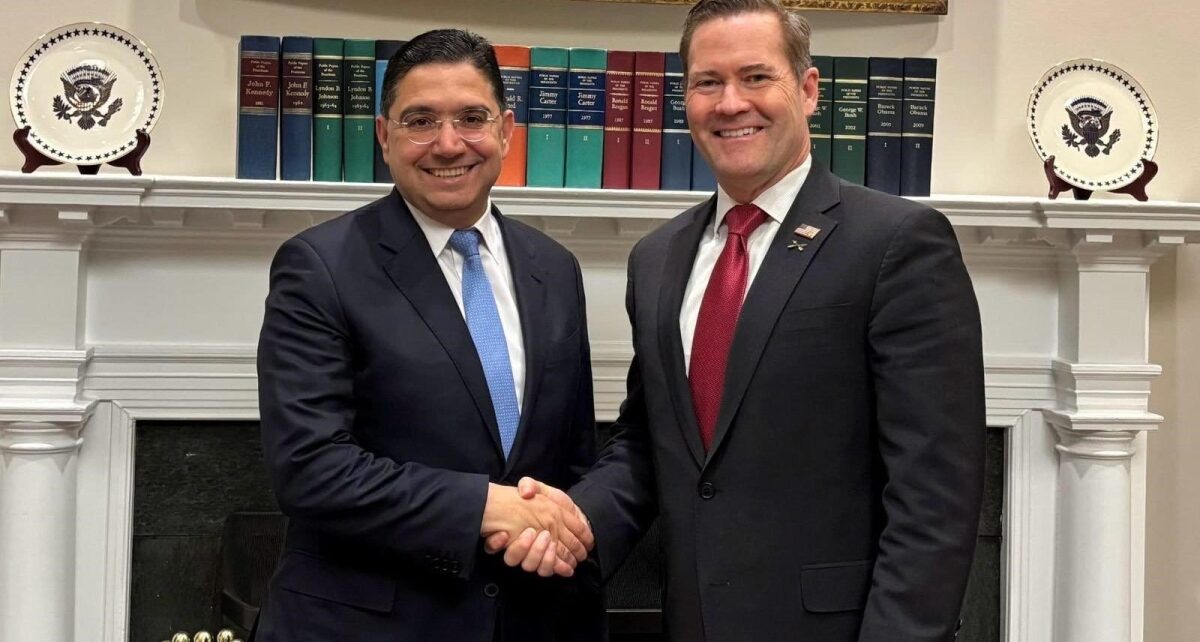
American officials have repeatedly framed resolving the Sahara conflict as a priority for regional stability, and high-level envoys, including Massad Boulos of the Trump administration and US Ambassador to the UN Michael Waltz, personally oversaw the Madrid discussions following earlier confidential gatherings held in Washington.
The new US posture reflects growing impatience with Algeria’s longstanding refusal to participate constructively in negotiations, despite its decisive role as sponsor and host of the Polisario leadership.
Algerian officials have historically claimed mere observer status, even as they rejected UN-led roundtable talks and obstructed progress toward a compromise based on autonomy, while taking self-harming retaliatory measures against some states that back Morocco’s sovereignty over the territory.
The Madrid discussions signal that Washington no longer accepts this stance. American envoys have engaged Algeria directly and stressed that the conflict cannot move forward unless Algiers fully assumes its responsibilities.
With Washington placing its full weight behind the autonomy‑based approach and demanding greater accountability from Algeria, diplomatic complacency toward the decades‑old conflict appears to have ended. The US‑led initiative in Madrid signals that the conflict can no longer remain frozen, and a political settlement grounded in Morocco’s autonomy proposal is now the path the international community expects the parties to pursue.