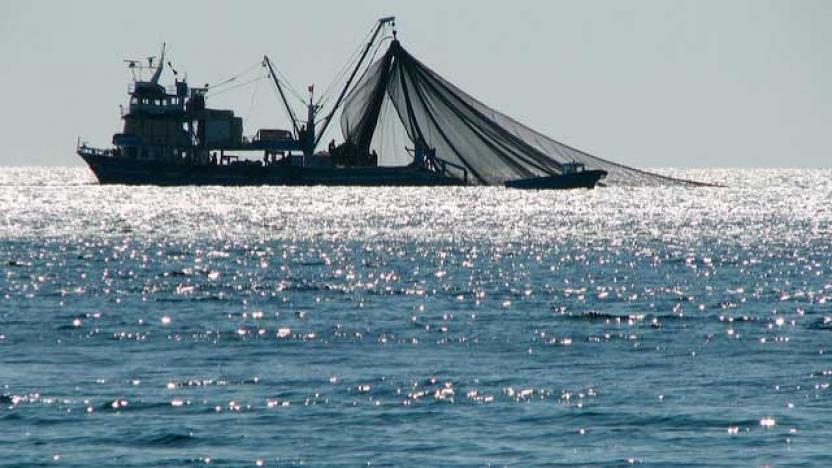
Morocco’s decision to suspend frozen sardine exports to the European Union while maintaining Russian fleet access to its waters has triggered significant anger in Spain. Spanish industrial and maritime sectors are expressing mounting frustration over the policy, which they view as severely damaging to Spain’s canning industry, particularly in Galicia, a region heavily dependent on Moroccan sardines as essential raw material.
Moroccan authorities justified the measure by citing depleting fishery resources and significantly declining sardine catch volumes in recent years, consequences of climate change, marine pollution, and overexploitation. Through this decision, Rabat affirms its intent to preserve the national market and guarantee supply for local processing units, particularly with approaching Ramadan, marked by sharp domestic consumption increases.
However, maintaining the fishing agreement with Russia provoked Spanish professionals’ ire. This accord authorizes the Russian fleet to catch between 90,000 and 100,000 tons annually of sardines and other species, in exchange for substantial financial returns for Morocco.
Spanish canning industry professionals warned of severe shortage risks that could disrupt production chains and threaten numerous jobs. They note Spanish factories imported large quantities of Moroccan sardines in recent months to ensure operational continuity. Additionally, they express concern about Moroccan canneries’ growing strength in the European market, now perceived as direct competitors.
This controversy fits within a broader context of expanding Russian presence along African coasts, with Moscow concluding similar agreements with several continental countries as part of a strategy to strengthen its influence in the maritime fishing sector. The simultaneous export restriction to Europe while accommodating Russian fishing operations has created diplomatic tensions, particularly as European nations seek reliable food supply sources.
The dispute highlights competing priorities between resource conservation, domestic market protection, and international commercial relationships. Spanish industry representatives argue the policy creates market distortions while Moroccan officials maintain the measures protect national interests and ensure long-term fishery sustainability.