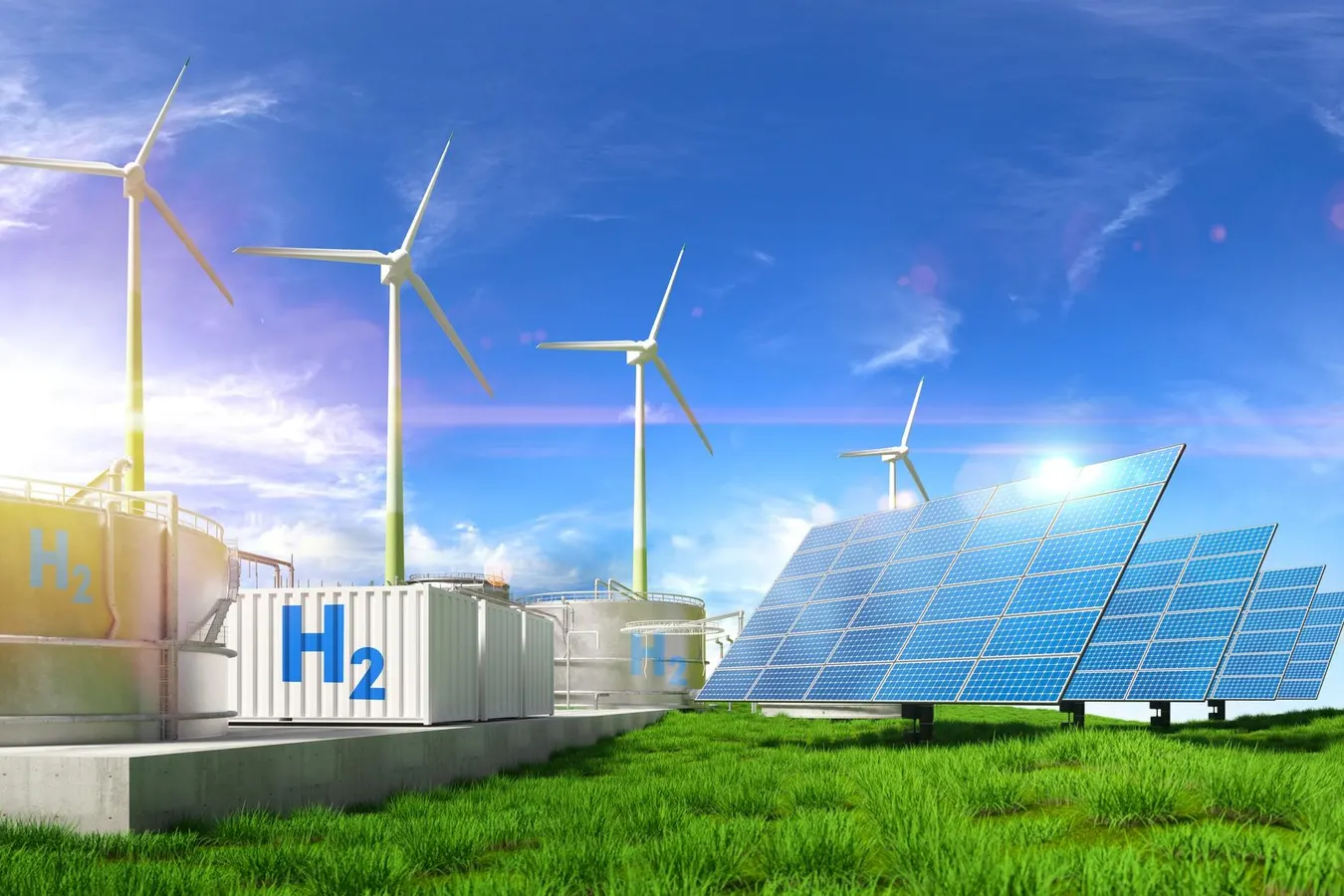
With abundant renewable resources and proximity to European markets, Morocco is uniquely positioned to become a global hub for green hydrogen and green hydrogen-based fuels, says a World Bank report.
Entitled “Gateway to Green Energy: Moroccan Ports as Hubs for Hydrogen Fuel Development and Trade”, the report says as countries are committed to reduce their greenhouse gas (GHG) emissions, green hydrogen
is projected to be in high demand and Morocco is well-placed to become a global supplier.
Green hydrogen will be especially critical in so-called hard-to-abate sectors such as heavy-duty transport, chemicals (including fertilizers), and heavy industries.
The green hydrogen economy and maritime transport depend on each other. Maritime transport which will need to run on green hydrogen-based fuels will also be mostly crucial in facilitating the development of the global green hydrogen trade.
As pipelines are either technically unfeasible or financially unviable, ships and ports will be the only options to link future low-cost production centers such as North Africa, Southern Africa, or Latin America with future high-demand consumption centers like Europe or East Asia. They will be needed for the import and export of large key components of any green hydrogen value chain, such as wind blades or electrolyzers, too.
With Morocco implementing the National Hydrogen Roadmap and releasing the recent Morocco Offer, highlighting the key role its ports can play in developing these new value chains, says the WB report
The North African Kingdom has abundant renewable energy resources and is strategically located on key maritime trade routes, says the WB, noting that this has attracted much private sector interest in Morocco as a producer and exporter of green hydrogen or derivatives such as green ammonia and methanol.
These fuels are touted as the leading fuels for decarbonizing shipping at large scale. Various international reports deem the solar and wind potential in Morocco to be among the best in the world, enabling the country to produce green hydrogen at a lower cost than many other countries.
According to the WB findings, Moroccan ports are key enablers of this transformation, serving international shipping, local industry, and export markets. Four Moroccan strategic ports, Tanger Med, Mohammedia, Jorf Lasfar, and a potential port near Tan-Tan, can significantly contribute to Morocco’s emerging green hydrogen economy, says the report.
Based on a comprehensive scenario analysis, it identifies how each port’s unique strengths can be combined to minimize costs and maximize synergies in the green hydrogen supply chain.
The most cost-effective configuration foresees hydrogen and derivatives produced and exported from Tan-Tan port, stored in salt caverns in Mohammedia, distributed to heavy industry in Jorf Lasfar, and bunkered at Tanger Med, underlines the report.