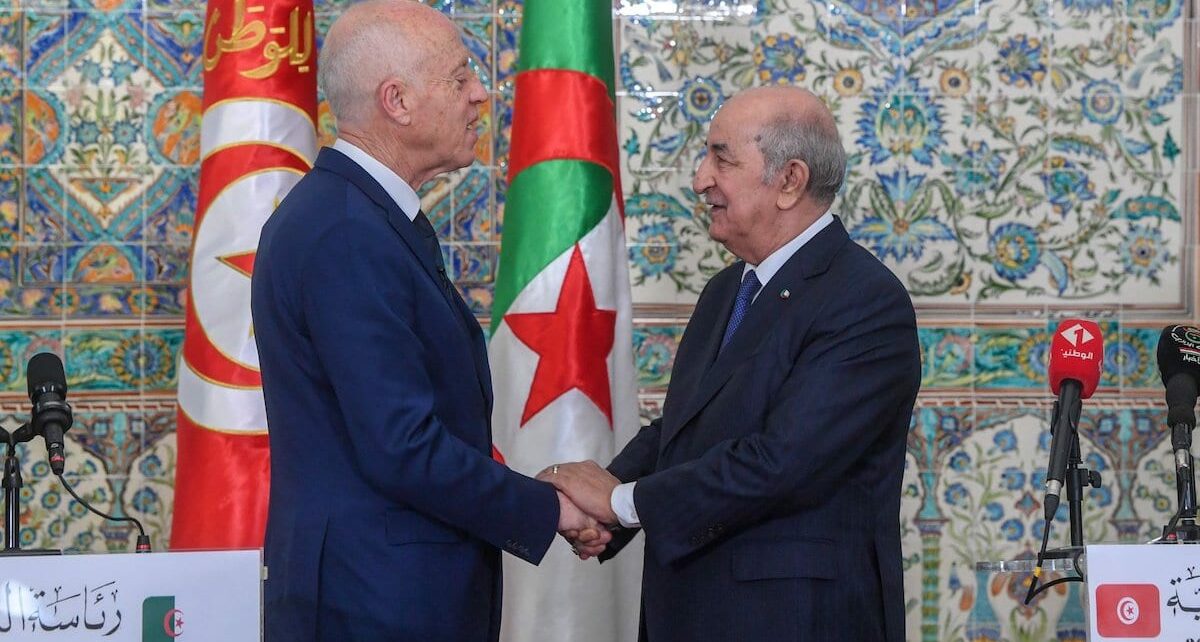
When Zitouna TV aired secret clauses of the October 7 defense agreement between Tunisia and Algeria, the revelations sounded less like routine military cooperation and more like a blueprint for tutelage and vassalization.
The leaked text grants Algerian forces the right to conduct incursions of up to 50 kilometers inside Tunisian territory and to intervene to “protect legitimate authorities” and “ensure continuity of the state,” all under the guise of fighting terrorism.
Tunisian opposition and intellectuals decry “humiliation” and a “loss of national sovereignty.”
Kaïs Saïed, however, rushed to denounce the documents as “fabricated. Yet, in a country where opacity has become a governing method, secrecy signals intent. And in Tunisia’s current climate of economic collapse and political isolation, intent matters.
The North Africa Post has long warned of Tunisia’s slide into dependency on Algeria. This pact, shrouded in silence, looks like the culmination of that drift. Algiers has leveraged gas lifelines, cash injections, and informal trade to tighten its grip on a fragile neighbor.
Algeria has already tested the limits of Tunisian sovereignty. Cases abound, including the abduction of Kabyle refugee and activist Slimane Bouhafs by Algerian security services in the heart of Tunis in 2021, or the diplomatic rupture with Morocco after Kais Saied hosted the Polisario leader Brahim Ghali as a head of state.
Now, Tebboune’s regime appears to have secured what pundits in Algiers openly fantasize about: a Tunisia reduced to an Algerian wilaya.
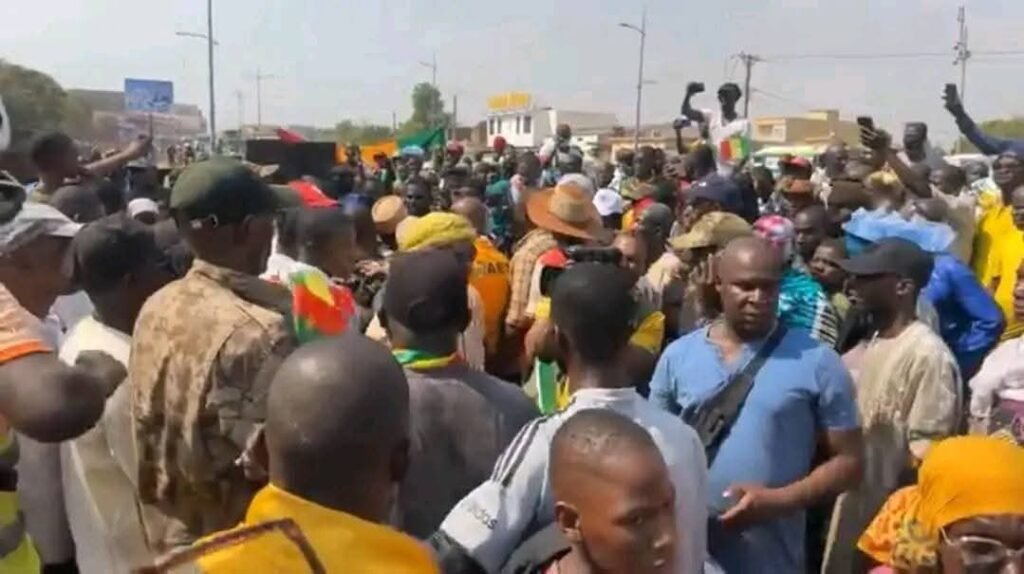
Days before Saïed’s denial of the document in question, thousands of Algerians reportedly joined pro-Saïed rallies in Tunis, in a show of “solidarity” that opposition voices rightly called interference.
Whether orchestrated or spontaneous, the message was clear: Algeria is no longer just a neighbor; it is a pillar of Saïed’s survival strategy. Faced with mounting protests and whispers of a coup, the Tunisian president seems ready to trade sovereignty for regime insurance.