Morocco continues establishing itself as Africa’s foremost electric vehicle market, driven by affordable Chinese imports and rapidly expanding domestic production capabilities. A recent BMI-Fitch Solutions analysis projects exceptional growth for the kingdom’s electric mobility sector through 2026.
Electric vehicle sales are expected to surge 80.4% in 2025, reaching 5,311 units and capturing 2.6% market share compared to 1.9% in 2024. The following year should see steadier growth of 36.3%, with 7,237 vehicles sold and market penetration reaching 3.4%. Plug-in hybrid vehicles demonstrate particularly strong momentum, with projected 2026 sales increases of 46.8% versus 30.1% for fully electric models.
Local manufacturing forms the cornerstone of Morocco’s electric vehicle strategy. Renault expanded its partnership with the Moroccan government to produce electric and hybrid vehicles locally, creating over 7,500 direct and indirect jobs. The manufacturer already produces the Dacia Jogger PHEV and held 40.2% market share in the electric segment. Tesla announced a $2.8 million initial investment in June 2025 for a Kenitra assembly plant capable of producing 400,000 vehicles annually.
Morocco’s substantial phosphate reserves provide strategic advantages for lithium-iron-phosphate battery production. Major investments include COBCO’s battery component facility at Jorf Lasfar, Gotion High Tech’s $1.3 billion investment in two gigafactories, BTR New Material Group’s $300 million cathode plant, and Tinci Materials’ $286.9 million electrolyte facility.
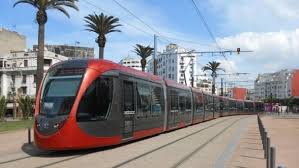
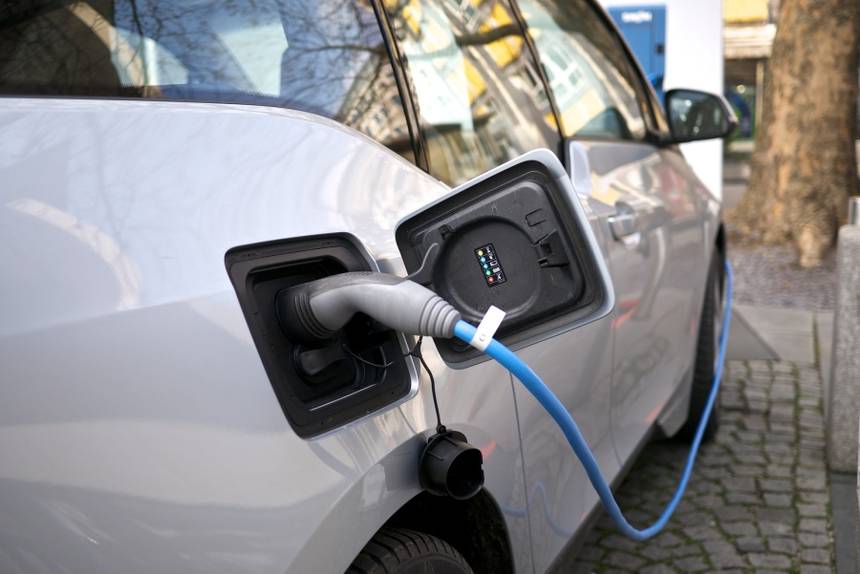
Infrastructure challenges remain, particularly outside major cities where the approximately 1,000 charging points prove insufficient. The commercial electric vehicle fleet remains minimal at under 100 units, though municipalities progressively electrify urban bus systems.
Morocco targets 60% of automotive exports being electric by 2030, supported by comprehensive government incentives including full VAT exemptions, 80% customs duty reductions, and purchase subsidies. The nation aims for 80% renewable energy by 2050.