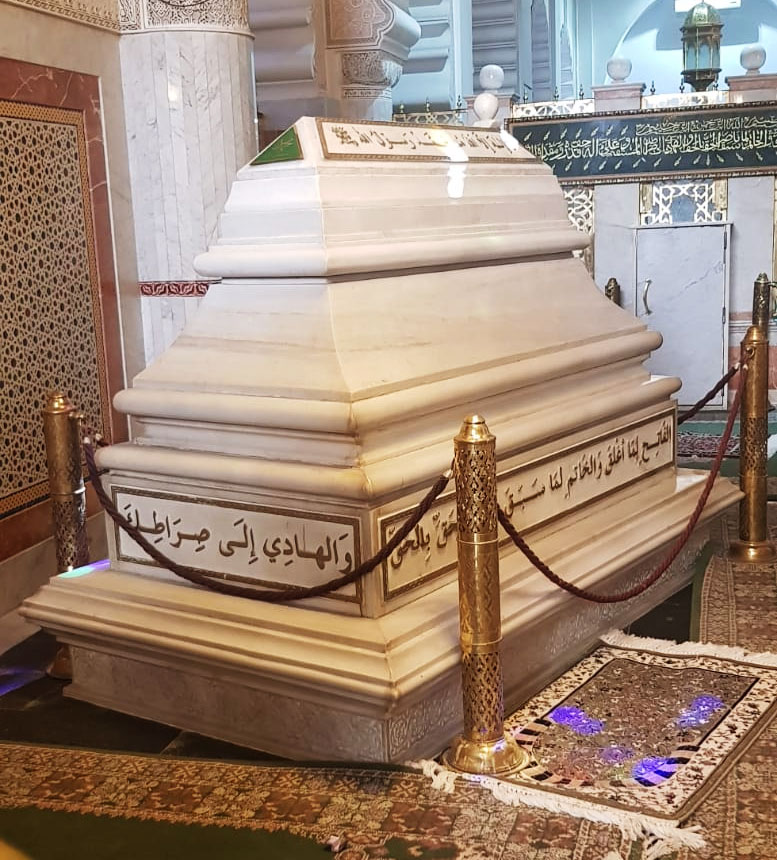
The annual pilgrimage to Cheikh Ahmad al-Tijani’s Mausoleum in Morocco’s spiritual capital Fez has evolved from an elite religious practice into a mass spiritual movement drawing thousands of Senegalese faithful, transcending traditional Sufi boundaries and strengthening centuries-old diplomatic ties between the two nations.
The Ziarra, formalized after World War II but rooted in traditions dating to 1922, experienced dramatic democratization during the 1980s when participation expanded beyond religious elites. Post-2012 growth accelerated through direct Dakar-Morocco flights and the emergence of specialized spiritual tourism, with Senegalese travel agencies now offering structured week-long packages aligned with major religious celebrations including Maouloud and Gamou, reports the news outlet Morocco World News.
The pilgrimage’s foundation reflects deep historical connections. Morocco’s late King Mohammed V gifted Senegalese pilgrims the Dar Kettani residence in Fez, symbolizing enduring spiritual bonds between the two nations. This gesture reinforced relationships that trace back to the 11th-century Almoravids who spread Islam across West Africa.
Mouhamed El Moctar Dieye of Dakar’s Islamic Institute contextualizes this phenomenon as “centuries-old spiritual diplomacy inherited from the Almoravids and strengthened by leaders like El Hadj Malick Sy and Cheikh Ibrahim Niass,” mwn.com reports. The Tijaniyya order remains the cornerstone of this religious-diplomatic architecture.
Contemporary manifestations of these ties include Senegalese scholars studying at Al Quaraouiyine University, participation in Dourous Hassaniya religious lectures, and initiatives through the Mohammed VI Foundation of African Ulemas. The Fez Ziarra stands as the most visible symbol of this enduring spiritual connection.
The pilgrimage’s transformation from exclusive religious practice to inclusive spiritual journey demonstrates how traditional religious networks adapt to modern mobility and communication, while maintaining their role in fostering international relationships through shared faith traditions, the news outlet comments.