Morocco’s Customs and Indirect Taxes Administration has unveiled comprehensive regulations governing defense materials, weapons, and ammunition trade, establishing strict frameworks while facilitating essential commercial flows for the national defense industry.
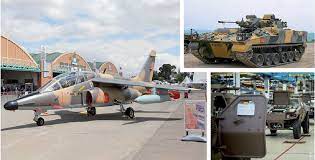
The new circular, based on Law 10-20 of 2020, creates three distinct material categories with specific regulatory requirements. Category A covers exclusively military equipment including tanks, fighter aircraft, armed drones, radar systems, and cyber-defense devices. These high-strategic-value items face the strictest controls due to their critical economic and security importance.
Category B encompasses dual-use civil-military materials, particularly riot control equipment, covering light weapons and crowd control devices representing significant market opportunities for domestic and foreign suppliers. Category C includes hunting, sport shooting, and traditional weapons, a regulated but export-promising sector for certain regional markets.
The regulatory framework optimizes import, export, transport, and transit flow management through coordinated authorization systems. The Defense Department handles import-export permits, the Interior Ministry manages domestic transport, and the Customs and Indirect Taxes Administration (ADII) oversees transit and transshipment operations.
Transit procedures for Categories A and B materials require comprehensive documentation detailing equipment specifications, itineraries, schedules, and security measures. ADII-issued authorizations are valid for single transactions and can be suspended for public security reasons. Ports and airports implement additional confidentiality measures including neutral sealed packaging, weapon deactivation, ammunition separation, and strict time limits to reduce logistics costs and financial risks.
Domestic transport requires specific Interior Ministry authorization specifying routes, transport methods, and security protocols, ensuring supply chain continuity and security for companies operating in this sensitive sector.
The system includes flexible exemptions for military training, film productions, temporary exhibitions, and overseas repairs. These provisions enable economic actors, particularly licensed manufacturers, to optimize commercial flows through temporary admission or customs transformation procedures while maintaining security requirements.