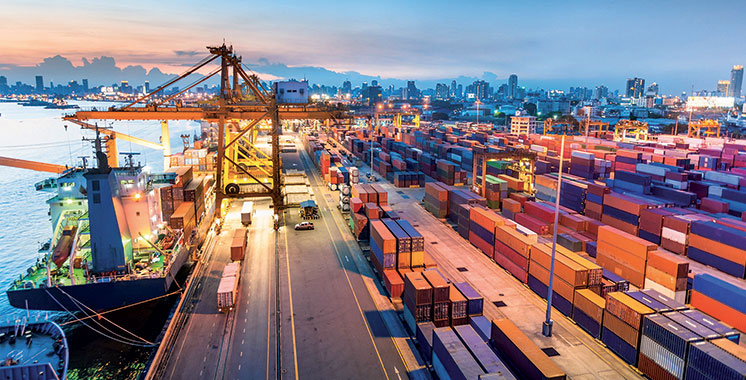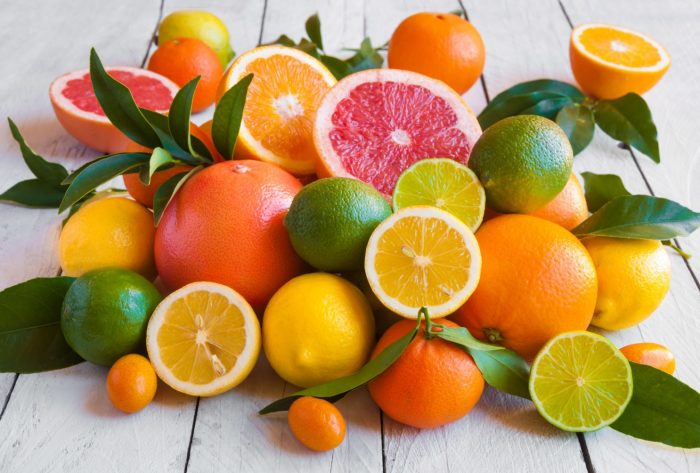
Morocco’s citrus production is expected to fall 20% in the 2026-2027 campaign to about 1.8 million tons, from 2.2 million, Kacem Bennani Smires, president of Maroc Citrus, told Médias24. Exports should reach nearly 540,000 tons, down only 7%, thanks to better fruit sizes.
He blames summer heat, with peaks of 46°C between mid-May and mid-July that worsened the drop of flowers and young fruit, as well as floods in the Gharb after 700 mm of rain against a 30-year average of 435 mm, and alternate bearing in some orchards. Small citrus fruits should fall 15%, clementines 20% and Nadorcott 6%; orange estimates are premature. Water reserves in most dams serving citrus basins are satisfactory.
The European Union takes about 38% of exports, Russia 17%, Canada and the United States 15% each, and Africa 12% to 14%. Britain, the Netherlands and France together take over 30%. Growers have also approached Chinese, Japanese, Indonesian, Brazilian and Indian markets.
According to Bennani Smires, the challenges lie in fierce competition from Egypt and Turkey; Turkish small-fruit output expected above 3 million tons, from 2 million; fuel prices up more than 60% since Middle East tensions began; costlier inputs and freight; and labor shortages that push daily wages to levels producers struggle to bear.
The citrus area has shrunk by nearly 34,000 hectares over the past decade, particularly in Tadla and the Oriental, after drought led to orchards being abandoned or uprooted. Recovery, he says, depends on how quickly the state’s irrigation projects, including new dams and desalination plants, are delivered.