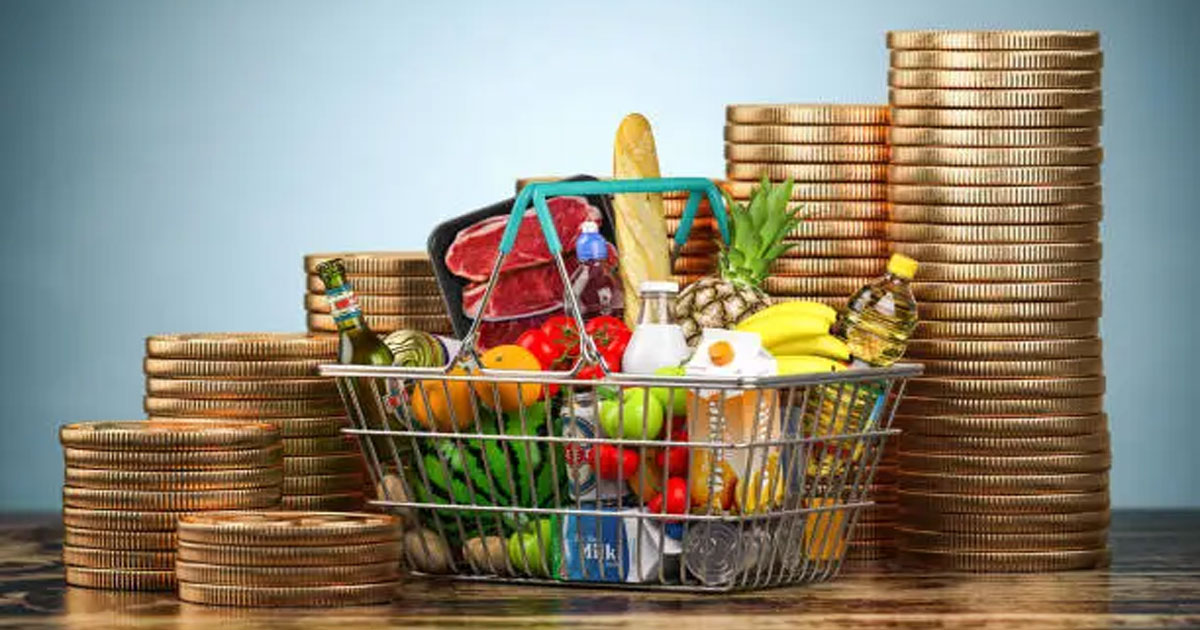
Morocco’s consumer price index fell 0.3% year-on-year in August 2026, marking a second consecutive month of negative annual inflation after a 0.6% decline in July, according to the High Commission for Planning (HCP). The drop was driven primarily by a 3.9% annual fall in food prices, which more than offset a 2.5% rise in non-food prices; average inflation over the first eight months of the year remained positive at 0.3%.
On a month-on-month basis, prices actually rose 0.8% between July and August, reflecting a 0.9% increase in food prices and a 0.7% rise in non-food prices. The monthly increase was led by fish and seafood and dairy products, each up 2.8%, meat (up 2.2%), vegetables (up 1.0%) and fuel prices (up 9.8%), while fruit prices fell 1.9%.
Core inflation, which excludes volatile and administered prices, rose just 0.1% year-on-year in August, reinforcing the picture of broadly flat prices rather than genuine deflation. Medias24 describes the annual decline as ‘purely mechanical,’ driven by the scale of the food-price drop rather than a broader weakening of demand.
Among Morocco’s major cities, the sharpest monthly increases were recorded in Al Hoceima (1.6%), Agadir (1.4%), and Tétouan, Safi and Beni Mellal (1.2% each), while Casablanca and Kénitra saw more modest increases of 0.5%. Regional trends over the first eight months varied, with cities such as Guelmim and Tétouan posting gains above 1%, while Fès, Marrakech, Settat and Safi recorded declines.
The figures come as Morocco faces renewed pressure on fuel prices, with pump prices raised twice in September amid a broader run-up in global oil prices linked to regional tensions. Economists note the current dip in headline inflation reflects a temporary alignment of falling food costs and rising fuel costs, rather than a durable disinflationary trend.