Tourism generates income, international recognition and conservation funding for cultural heritage sites, but it also raises a more fundamental question: who holds the power to determine how culture is shared, and whether tourism revenue serves the communities that produce what visitors come to see? These are the questions at the center of a reflective analysis published by Morocco World News, drawing on field experience in rural Morocco.
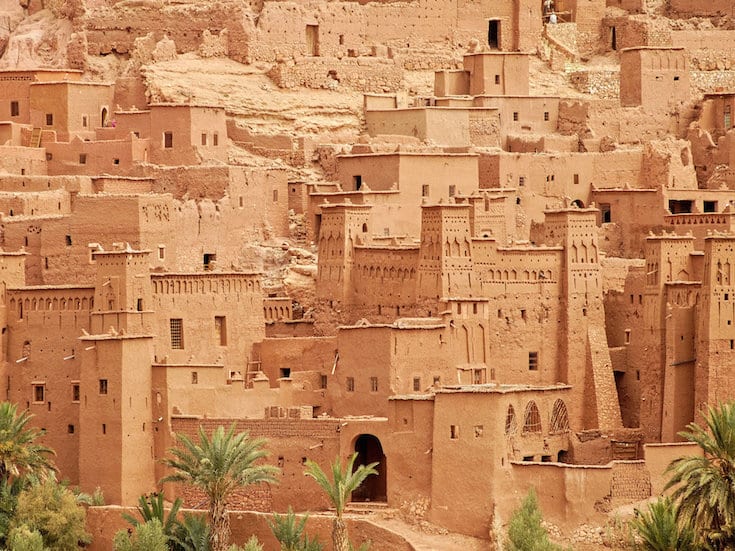
The ksar of Aït Ben Haddou — a UNESCO World Heritage Site since 1987 and a sought-after filming location for major international productions — illustrates the tension. International recognition brings conservation funding and global visibility, but a 2022 research report on the COVID-19 effects on the site’s community found that a local economy overly dependent on tourism experienced outmigration and psychological strain when visitor flows collapsed. The same study noted that infrastructure deficiencies — inadequate hospitals, schools — were considered major problems, even as heritage investment continued. Yet residents themselves affirmed that tourism remained beneficial on balance.
The author argues that the critical variable is not tourism itself but the degree of local agency that accompanies it. Communities which depend on potentially erratic visitor income have limited bargaining power with private operators, reduced capacity to regulate tourist traffic and constrained ability to shape development priorities collectively. By contrast, communities organized into cooperatives or federated networks gain the ability to share resources, leverage policy influence and transmit practical knowledge across localities. Women’s cooperatives encountered in the field articulated pride in producing goods of their own and empowerment through independent income generation.
Participatory development methodologies address this gap. UNESCO’s COMPACT initiative, launched in 2000, prioritizes local stewardship and the empowerment of women’s organizations, with documented results in preserving biodiversity and strengthening livelihoods. At Mount Kenya, Indigenous foundations participating in the program attracted approximately $35 million in donor funding — demonstrating that international institutions can reinforce rather than substitute for community agency when governance is structured accordingly.
According to the analysis conclusion, development processes that remain genuinely open to continuous community input are more likely to produce outcomes that are equitable and sustainable. Tourism will continue shaping rural Moroccan economies, and its potential to fund essential services is real. But that potential is only realized when communities remain participants in the decisions that affect them — rather than simply attractions within them.