Mental health is emerging as one of Morocco’s most pressing and underacknowledged public health challenges, marked by a structural gap between the scale of need and the capacity of a system still in transition.
Morocco counted 3,230 specialized mental health professionals in 2025, according to Health Minister Amine Tahraoui, including 593 psychiatrists and 76 child psychiatrists — a significant increase from the 407 psychiatrists and 32 child psychiatrists recorded in the Court of Auditors’ 2023-2024 report, though still far short of the levels that specialists consider adequate for a country of 37 million, reported Le Matin Daily in an analysis published this Monday.
The most recent epidemiological reference — a national study conducted between 2003 and 2006 — found that 48.9 percent of Moroccans have experienced, are experiencing or will experience a mental disorder during their lifetime, with depression accounting for 26 percent, anxiety disorders 9 percent, psychotic disorders 5.6 percent and schizophrenia approximately 1 percent. The absence of updated national data is itself flagged by specialists as a barrier to evidence-based policymaking.
Dr Nassim Mabrouk, psychiatrist and president of the Les Amis de la Santé association, identifies four converging drivers of rising demand: youth unemployment and economic uncertainty fueling anxiety and depression; the erosion of traditional family support structures amid rapid urbanization; intensive screen use, with a 2020 study in Casablanca schools finding 40 percent of pupils showing problematic internet use; and the lasting psychological effects of the Covid-19 pandemic, which the World Health Organization estimates increased global anxiety and depression by 25 percent.
Structural barriers compound the challenge. Patients frequently arrive in consultation after months or years of delay, conditioned by moral or spiritual interpretations of psychological suffering, self-medication or stigma. Geographic disparities remain acute, with specialized care concentrated in major urban centers, making access a matter of geographic lottery. Drug supply disruptions represent a further clinical risk: Dr Dallal Jeddi, a pharmacist-biologist, warns, in a statement to the daily, that abrupt treatment interruptions can trigger relapses or hospitalizations in conditions such as bipolar disorder and schizophrenia.
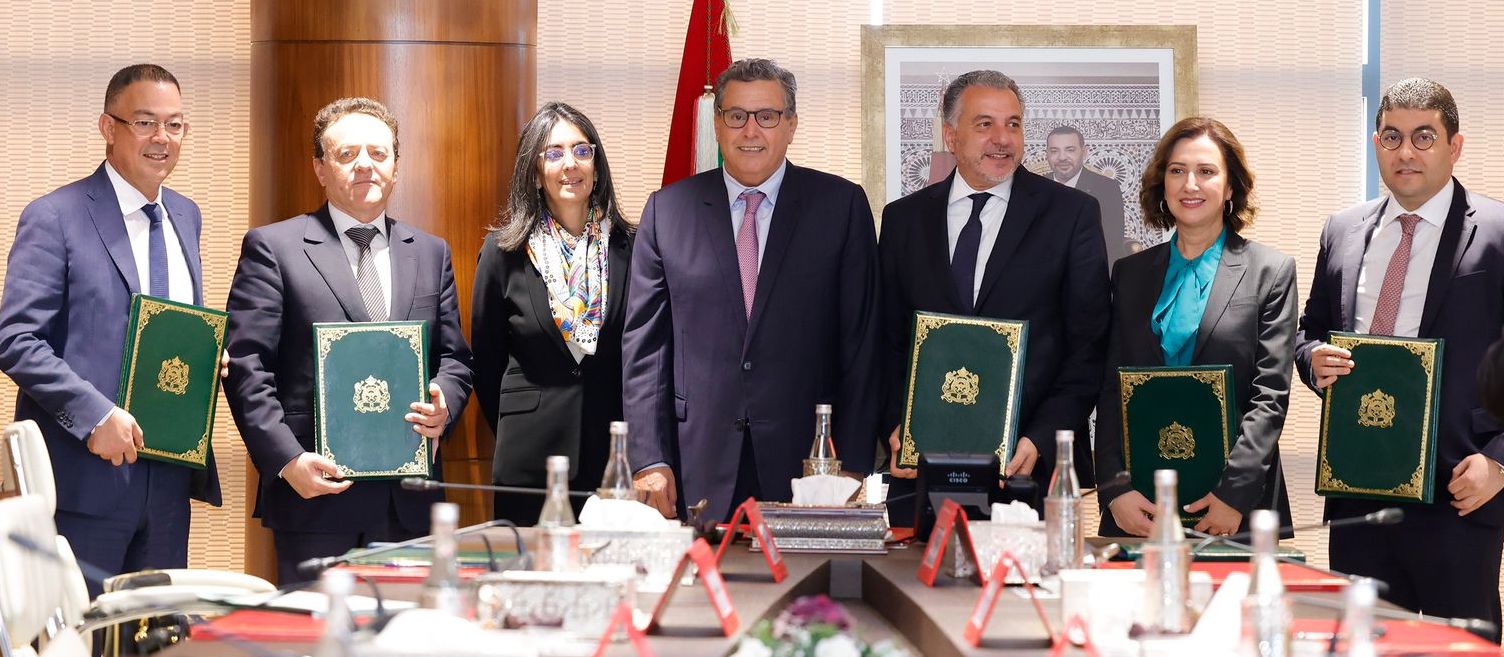
Positive developments include the National Multisectoral Mental Health Plan 2030, the growth of clinical psychology training and the creation of the Fondation Lalla Oumkeltoum pour la santé mentale, whose inaugural board meeting took place in Rabat on 27 March 2026. The foundation’s mission encompasses awareness, prevention, support and family accompaniment for persons living with mental disorders — a signal that the issue is gaining institutional traction at the highest levels.