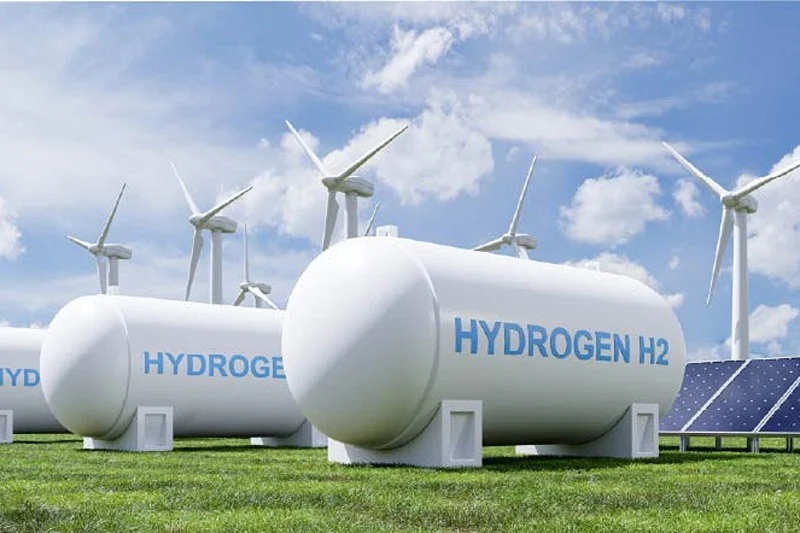
Morocco is positioning itself as a future hub for green hydrogen production, banking on its abundant solar and wind resources, its proximity to European markets, and a rapidly expanding port infrastructure. The government has outlined an ambitious framework — the “Offre Maroc” program — which earmarks up to one million hectares for hydrogen-related projects, with 300,000 hectares allocated in the first phase alone.
According to projections by the World Bank and the International Energy Agency, Morocco could produce green hydrogen at a cost of between $1.50 and $2.50 per kilogram by 2050, ranking it among the most competitive producers globally. The European Union, which has set a target of importing ten million tons of renewable hydrogen annually by 2030, views Morocco as a credible supplier. In 2025, Rabat validated investment proposals worth 319 billion dirhams from international consortiums, with an estimated addition of some 20 gigawatts of renewable capacity — including a TotalEnergies project in the Guelmim-Oued Noun region targeting annual output of 200,000 tons of green ammonia for export.
Yet, Morocco is not alone in this race. On the African continent, Egypt is developing hydrogen infrastructure around the Suez Canal zone, while Namibia, Mauritania, and South Africa have all announced production targets. Gulf monarchies are also investing heavily to prepare for a post-petroleum era. Energy transition expert Hicham Bouzekri notes, however, that the scale of future global demand means no single country can dominate the market.
Domestically, industrial integration remains a strategic priority. The OCP Group is planning to replace imported grey ammonia with locally produced green ammonia, a shift that could anchor the hydrogen value chain within Morocco’s own industrial ecosystem. The sector’s potential economic impact is estimated at around 22 billion dirhams in annual revenues and the creation of 15,000 direct and indirect jobs by 2030 — though these projections hinge on stable global demand and a settled regulatory environment.
The most pressing structural challenge is water. Hydrogen production via electrolysis requires substantial water volumes, placing additional pressure on a country already facing chronic water stress. Morocco is therefore accelerating its desalination program, targeting coverage of 60 percent of its drinking water needs by 2030, up from 25 percent today, with an annual target of 1.7 billion cubic meters. Green hydrogen projects will incorporate their own desalination units, and surplus capacity from private facilities could supply local communities and support agricultural expansion in the southern regions — with the state’s chosen model transferring financial and technological risk directly to private consortiums.