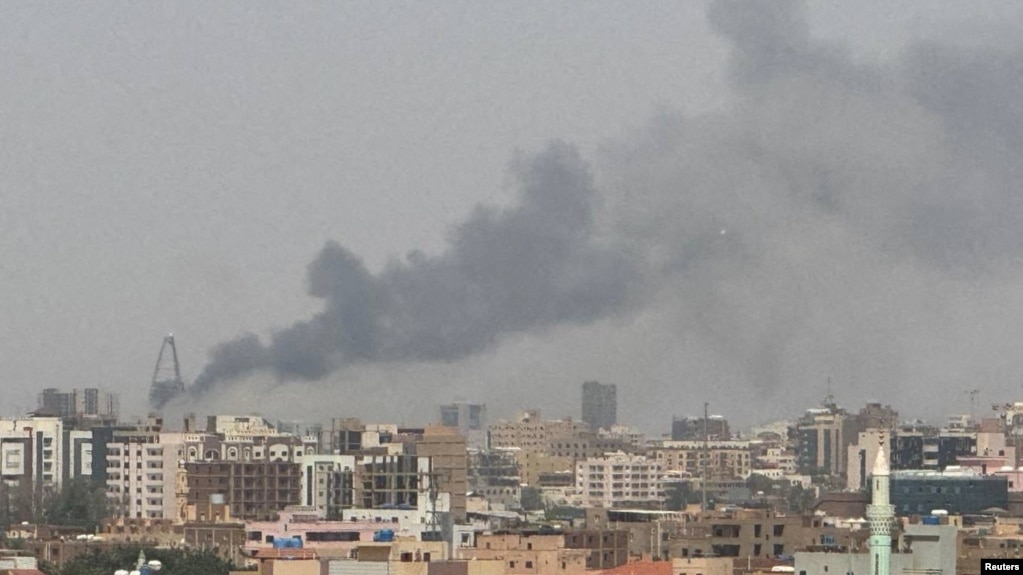
Sudan has suffered an estimated $3 billion in damage to its electricity sector since the outbreak of the conflict, forcing businesses, telecom firms and households to increasingly depend on costly solar energy alternatives, according to a new report by the United Nations Development Programme.
The report, released on Monday, said widespread destruction of Sudan’s national grid and power generation infrastructure had accelerated demand for imported solar systems as communities struggle with persistent blackouts and rising diesel prices.
Despite possessing some of the world’s highest solar irradiance levels, Sudan had limited electricity access even before the war, with only 45 to 60 per cent of the population connected to the grid, mainly in urban areas.
The UNDP said Sudan’s installed solar capacity reached about 190 megawatts by 2025, far below the government’s pre-war target of producing 3,300 megawatts of renewable energy by 2033, including 2,190 megawatts from solar sources.
According to the report, the conflict disrupted plans to distribute 2.5 million solar home systems to off-grid communities by 2023. Instead, private sector imports of solar equipment surged between 2024 and 2025 due to the collapse of conventional electricity supplies.
However, the sector faces major challenges because all solar components, including panels, batteries and inverters, are imported. The report noted that currency depreciation, shortages of foreign exchange and high transport costs continue to inflate prices.
A single 590-watt solar panel sold for between 218,000 and 255,000 Sudanese pounds in markets across cities including Khartoum, Port Sudan and Dongola during September and October 2025, while 10-kilowatt lithium batteries cost as much as 5.4 million Sudanese pounds. The report found that Khartoum recorded the highest household solar adoption rate at more than seven per cent, followed by Kordofan and Darfur regions.
The electricity crisis has also weakened agriculture and small businesses. Farmers in Gedaref reported sharp declines in crop yields due to unreliable power, while fuel shortages in regions including Blue Nile and White Nile disrupted irrigation and business operations. The UNDP identified financing as the biggest obstacle to wider solar adoption, citing lending rates of between 20 and 35 per cent and short repayment periods.
Meanwhile, Sudan’s telecommunications sector has adapted more quickly by deploying hybrid systems that combine solar power, diesel generators, battery storage and grid electricity. The UN agency called on the Sudanese government and international partners to support solar supply chains, expand microfinance programmes and train local technicians.
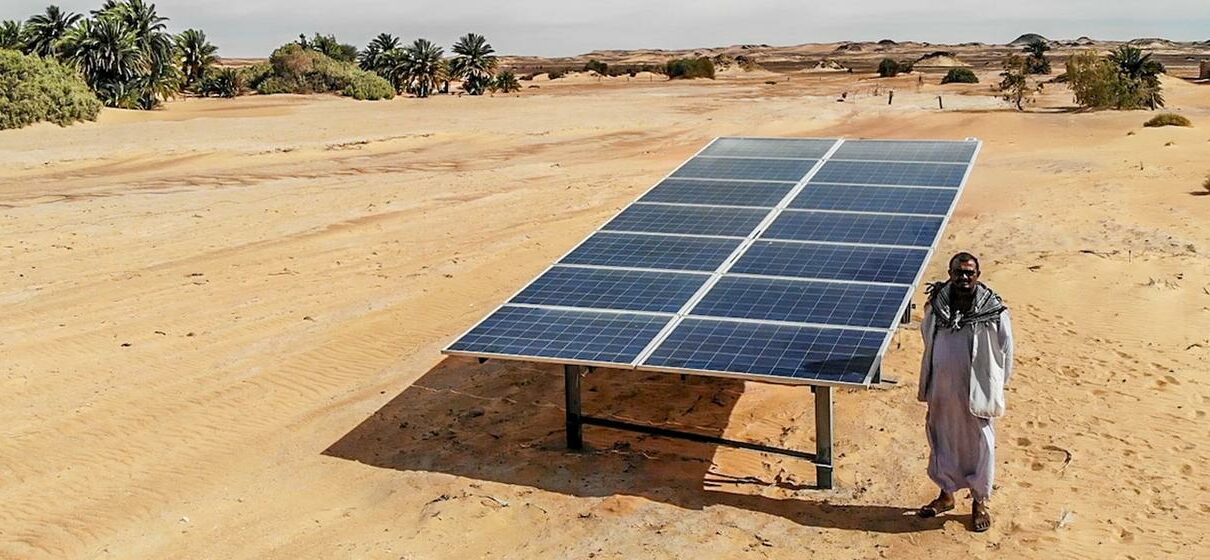
Over the past five years, the UNDP said it had supported the installation of 518 solar systems across Sudan, including 296 solar-powered water pumping systems between 2023 and 2025.
The Agency added that the systems have reduced community operating costs by up to 70 per cent compared to diesel generators and helped cut carbon emissions while supporting healthcare facilities and vaccine storage services.