Morocco is stepping up investment in renewable energy and green hydrogen to reduce its heavy dependence on imported fuels and strengthen its role in global climate efforts, according to a report by the Stimson Center.
The country currently imports more than 90% of its energy needs, leaving it vulnerable to external shocks.
Morocco has raised its renewable electricity capacity target to 56% by 2030, from an earlier 52% goal. By 2023, renewable installed capacity reached about 4,050 megawatts, or 38% of total capacity, the report recalls.
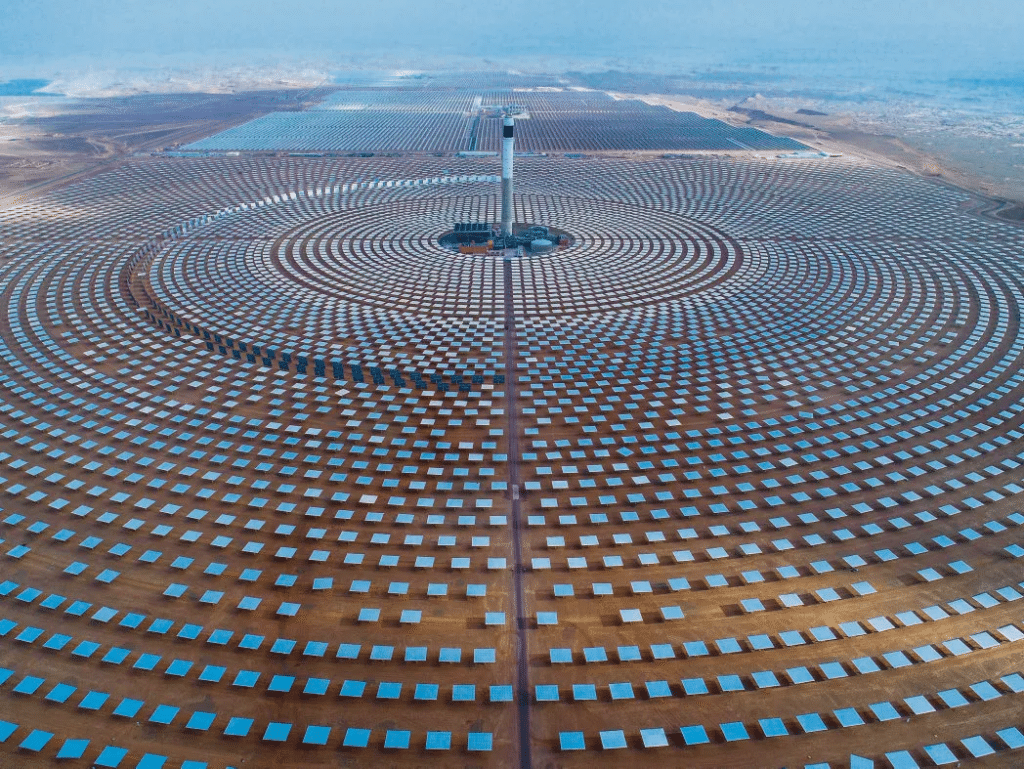
Flagship projects include the Noor Ouarzazate Solar Complex, a 580-megawatt facility and one of the world’s largest concentrated solar power plants. Wind capacity stood at 2,373 MW by the end of 2024, while hydropower contributed around 1,800 MW.
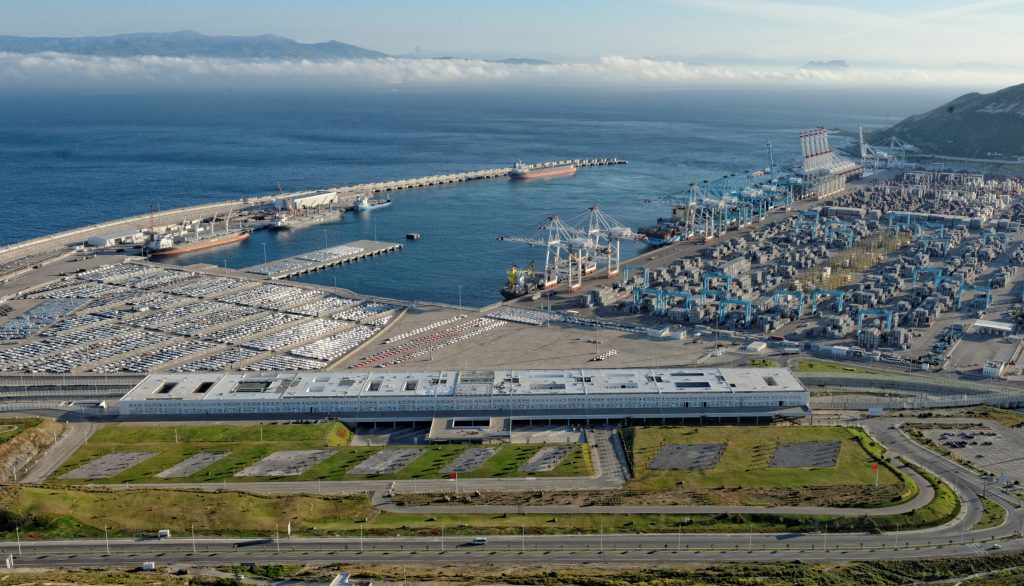
Morocco is also positioning itself as a key player in green hydrogen, with $32.5 billion in projects approved as of March 2025 to produce ammonia, steel and industrial fuels. The country aims to capture 4% of global hydrogen demand by 2030, targeting export markets in Europe.
A government framework known as the “Morocco Offer” allocates up to one million hectares of land for hydrogen-related investments, supported by a national roadmap linking domestic energy use with export ambitions.
On climate policy, Morocco has submitted updated commitments under the Paris Agreement. Its latest nationally determined contribution (NDC 3.0) targets a 53% reduction in greenhouse gas emissions by 2035, relying heavily on expanding renewable energy and improving efficiency.
Reforms to energy legislation have opened the sector to private investment, including allowing companies to generate their own renewable electricity. Authorities are also targeting a 15% reduction in energy consumption by 2030 through efficiency measures such as stricter building standards, LED lighting and expanded public transport systems.
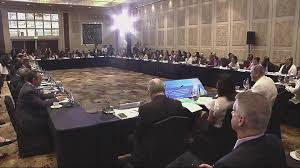
Morocco has also cultivated a prominent role in international climate diplomacy. It hosted the COP22 climate conference in Marrakech in 2016 and participates in several African initiatives, including the African Adaptation Initiative and the African Renewable Energy Initiative.
The country has joined the Powering Past Coal Alliance, committing to phase out coal by the 2040s, while pursuing plans to export renewable electricity and green hydrogen to Europe.
These efforts have helped attract international climate finance and position Morocco as a bridge between African energy markets and European demand for low-carbon energy, the Stimson Center report said.