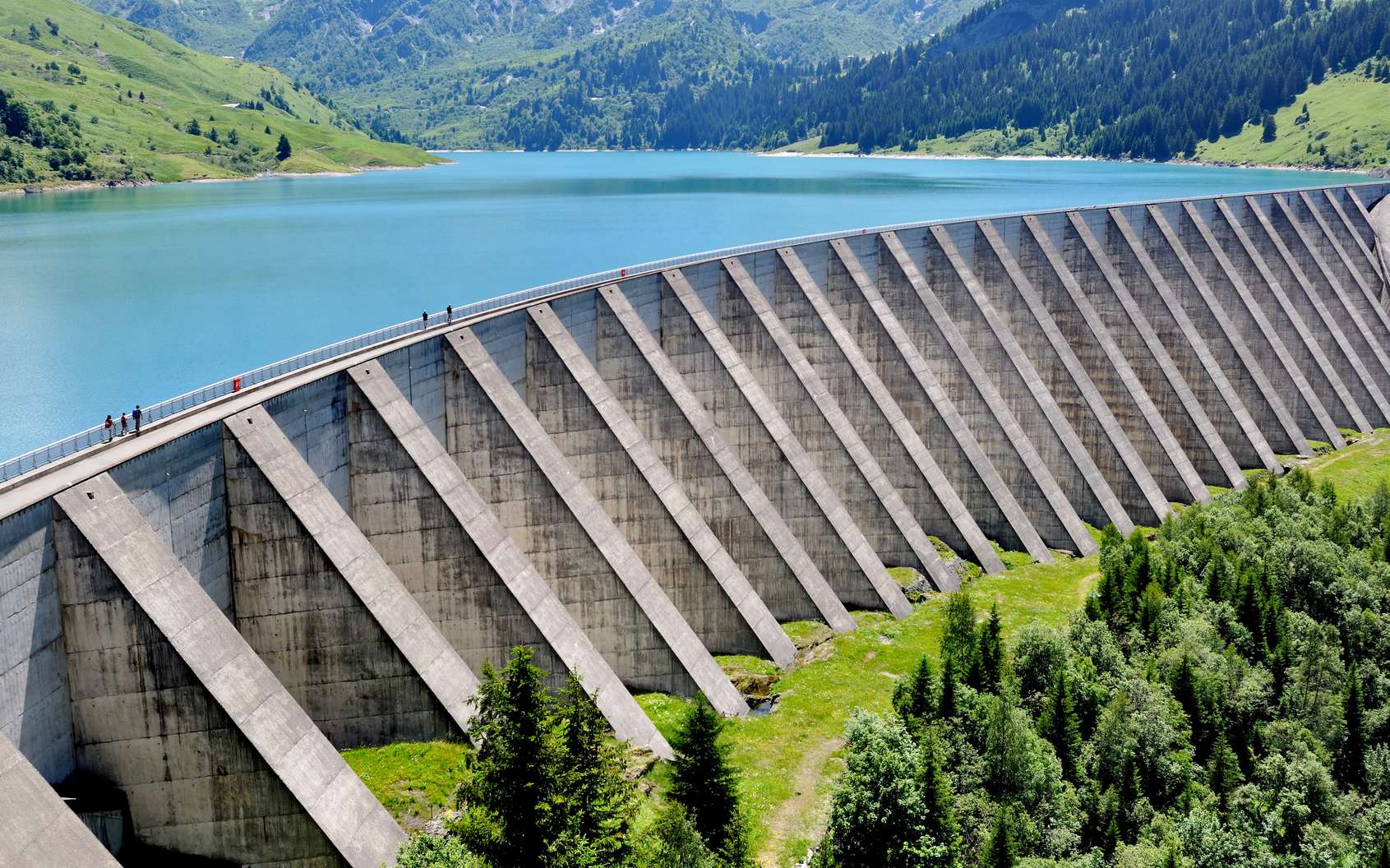
Weeks of rainfall have slightly eased Morocco’s water crisis, adding more than 105 million cubic meters to dam reserves since mid-November, but overall storage remains at 31.5% only after years of drought.
Official figures show national reservoir levels rose from 5.176 billion cubic meters on November 10 to 5.281 billion cubic meters by December 15, lifting the average fill rate to 31.5% from 30.8%.
Despite the improvement, most dams remain far below capacity, underscoring the severity of a prolonged dry spell that has gripped the country for seven years.
Rainfall was most intense in northern and central regions, with up to 150 millimetres recorded in the region of Tangier and Gharb and about 70 millimetres in Souss and Anti-Atlas.
These downpours replenished soils and revived streams feeding major reservoirs, but gains were uneven across basins.
Bouregreg saw the largest increase, climbing from 63.5% to 66.4%, while Guir-Ziz-Rheris jumped from 47.5% to 54.9%. Loukkos edged up to 45.9%, and Oum Er-Rbia barely moved, rising to just 8.8%. Some basins, including Sebou and Moulouya, showed little change or slight declines.
Officials warn that while recent rainfall offers temporary relief, Morocco’s water security remains fragile.
Sustained precipitation will be needed to meet agricultural and drinking water demands in the months ahead.
Morocco is planning to generate 60% of its drinking water needs from desalination by 2030.