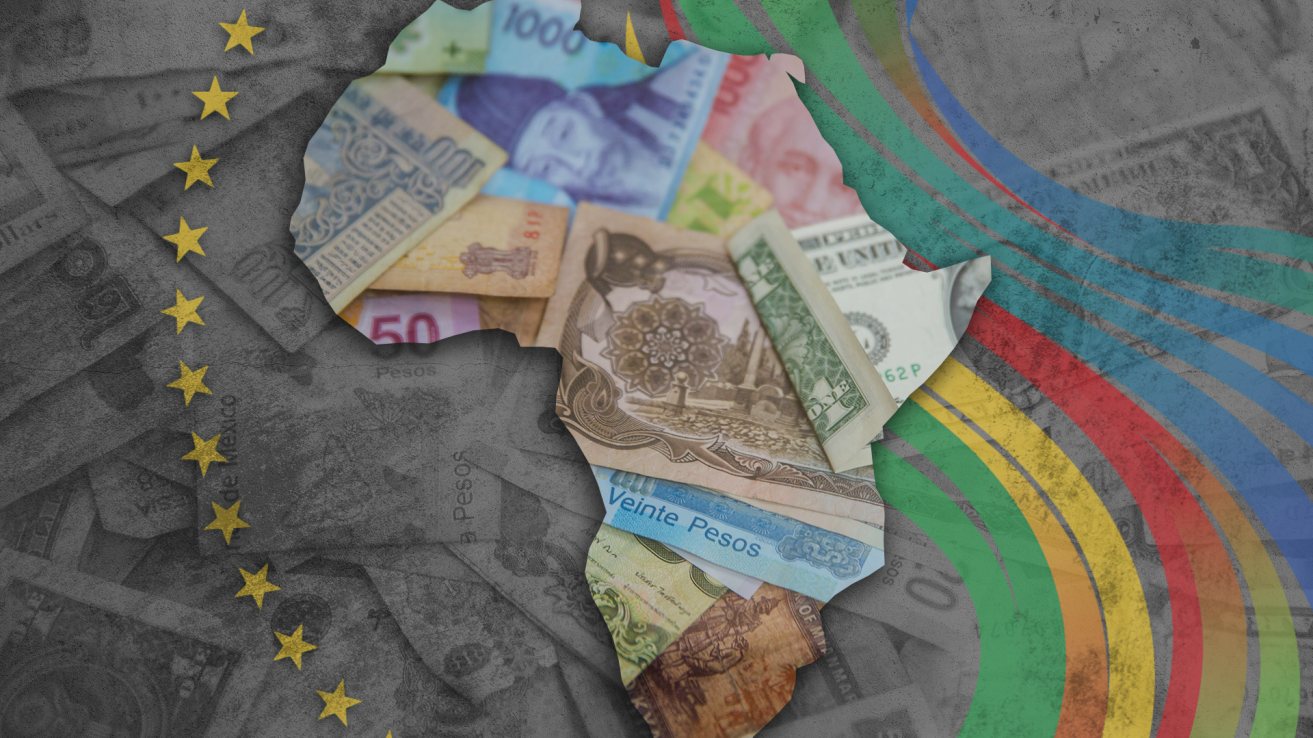
In a landmark move to address Africa’s mounting debt crisis, finance ministers across the continent have adopted the African Debt Monitoring Mechanism (ADMM) — a real-time, continent-wide system designed to track both domestic and external debt.
Approved during the 8th Ordinary Session of the African Union’s finance-focused committee in South Africa, the ADMM is hailed as a major step toward fiscal transparency and financial sovereignty, especially as debt distress deepens in at least 20 African nations. With debt service projected to reach nearly 30% of government revenue by 2025, “this unified platform is about more than monitoring debt,” said Patrick Ndzana Olomo of the AU Commission. “It’s about reclaiming control of Africa’s financial destiny — with data, transparency, and accountability at the core.”
Backed by African Union (AU) institutions and supported by groups like African Forum and Network on Debt and Development (AFRODAD), the ADMM is part of a broader push to strengthen the African financial architecture and reduce reliance on external actors and biased credit agencies. The tool also highlights the urgent trade-off between debt repayment and basic services: in 2023, African countries spent $85 billion servicing debt — money increasingly diverted from healthcare, even as most nations still fall short of the 15% Abuja Declaration target for health spending. “This is a major milestone,” said AFRODAD’s Executive Director Jason Rosario Braganza. “This is key to financial sovereignty, debt transparency, and accountability.”