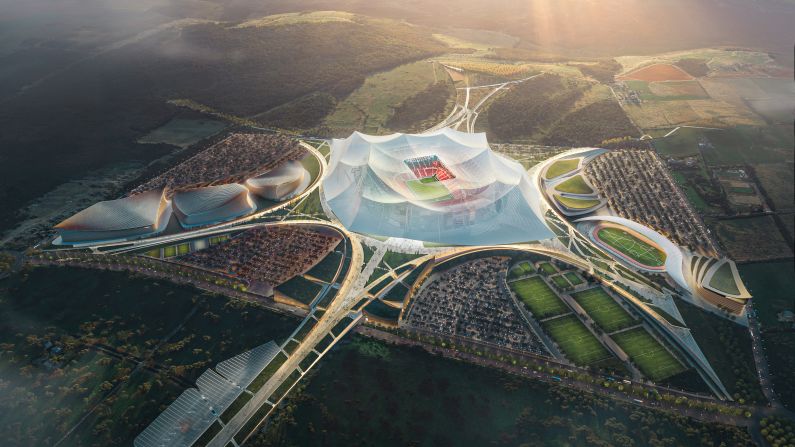
Morocco’s Tangier stadium, which will host some matches of the FIFA World Cup 2030, has been equipped with state-of-the art facial recognition technology (FRT) system, according to local press reports.
The FRT system is a key part of the stadium’s security architecture, with about 900 surveillance cameras already installed in and outside the stadium.
The stadium will also host matches of the Africa Cup of Nations 2025. It has undergone a comprehensive renovation, increasing its current capacity to 75,500 seats and making it fully compliant with FIFA standards.
Other renovation features include more VIP lounges, a renovated media tribune, redistribution of spectator seat levels, expanded parking capacity, a superior quality sound system, giant stadium screens, and facilities to streamline movement for people with disabilities.
The media tribune has been redesigned to ensure optimal coverage. The stadium now boasts 142 corporate boxes across three levels, each with a capacity of 10 to 20 seats.
For the fans, the seating has been distributed over three levels (lower, middle, and upper), in addition to a dedicated hospitality stand. The stadium features four changing rooms for teams, instead of the two required by regulations, along with recovery areas, coaches’ offices, massage rooms, cryotherapy facilities, fully equipped warm-up rooms, a mixed zone exceeding 500 m², and a conference room that can host 210 journalists.
Beyond the stadiums, Morocco is also deploying AI-driven facial recognition systems across cities that will host the 2025 AFCON in December and then the World Cup in five years’ time.
According to press reports, cities like Fez and Rabat have been implementing FRT projects as part of a safe city initiative ahead of these important football tournaments. Local IT firms Finatech Group and Alomra Group are handling the surveillance system deployment in Rabat estimated at over $10 million.
In the United States, which is a co-host of the 2026 World Cup, an FRT system is being deployed in buses to be used by organizers during the tournament.
Biometric ticketing and stadium entry through face verification has also been in use in some World Cup qualifiers, with about 5,000 fans having used the system to obtain entry into Chile’s qualifier games.
In Brazil, the use of biometric controls, using fingerprints or facial recognition, have been required by law to boost security in stadiums with over 20,000 seats in a move aimed to ensure security and combat hooliganism.