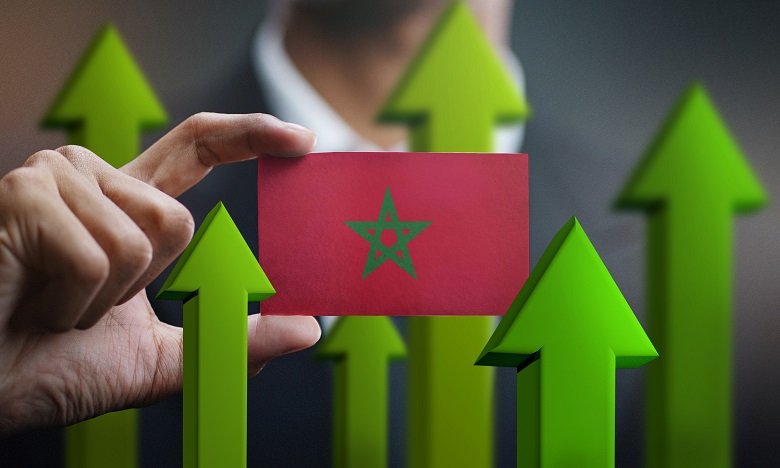
Morocco’s domestic demand accelerated dramatically to 9.2% growth during second quarter 2025 compared to 6.6% in the corresponding 2024 period, contributing 9.9 points to GDP growth versus 7.1 points previously. The High Commission for Planning’s national accounts confirm consumption and investment’s driving role in the kingdom’s economic recovery.
Gross investment levels encompassing fixed capital formation, inventory variations, and net valuable object acquisitions recorded spectacular 18.9% growth compared to 14.3% during 2024’s corresponding period. Growth contribution increased from 4 points to 5.6 points, illustrating infrastructure project restarts, industrial project resumption, and restored private sector confidence.
Public administration final consumption progressed 6.5% following 5.1% growth one year earlier, contributing 1.2 points to growth versus 0.9 points in 2024. This increase reflects continued budgetary dynamics within the 2021-2026 governmental program framework, emphasizing public service strengthening and accelerated social investments.
Household final consumption expenditures increased 5.1% compared to 3.3% during second quarter 2024, contributing 3 points to national growth versus 2 points previously. This progression stems from controlled inflation, improved purchasing power, and reduced consumer price tensions, fostering renewed household confidence.
Foreign trade maintained negative contributions as goods and services imports surged 15.7% compared to 13.6% in 2024, negatively impacting growth by 7.9 points versus 6.8 points. Exports progressed 8.5% compared to 6.3% one year earlier, contributing positively at 3.6 points versus 2.7 points.
Foreign trade generated negative 4.4-point growth contribution, reflecting more dynamic domestic demand than global demand. This generalized domestic demand increase confirms consumption and investment’s central role in Morocco’s growth model while highlighting import dependence, widening trade deficits and external financing needs.