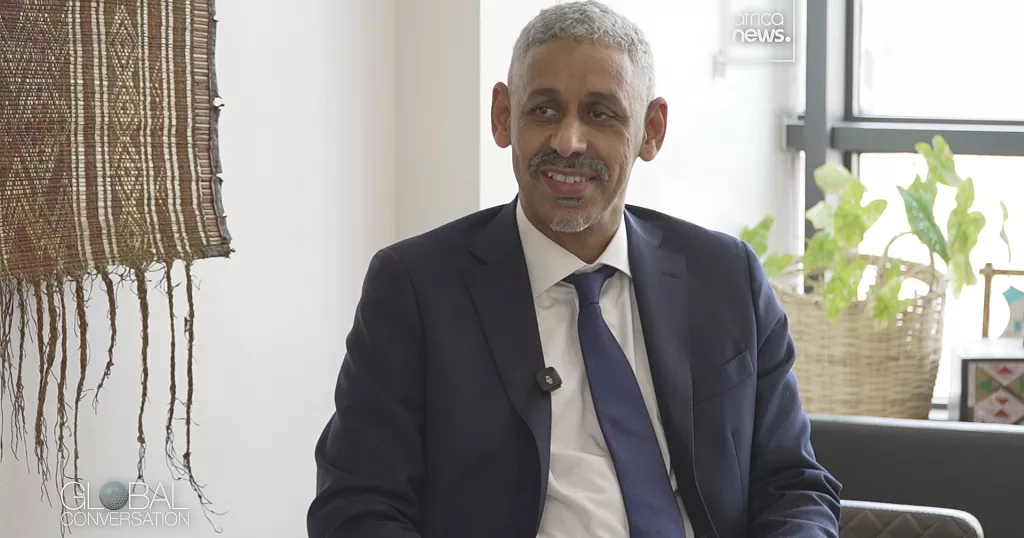
Mauritania’s Sidi Ould Tah has assumed leadership of the African Development Bank with a comprehensive ten-year strategy focusing on financial architecture reform, demographic dividend transformation, and natural resource industrialization, reports L’Economiste. These strategic pillars address Africa’s critical challenges including declining development aid, mounting sovereign debt, and intensifying climate impacts.
“Revisiting our investment plan and changing paradigms is urgent,” emphasized the president, stressing the importance of multiplying partnerships with national and international financial institutions. The AfDB already collaborates extensively with multilateral institutions including the World Bank Group, Islamic Development Bank, European Investment Bank, and Africa50 Fund for infrastructure financing.
Under Ould Tah’s leadership, the bank has launched Mission 300 with the World Bank, targeting electricity access for 300 million Africans by 2030, requiring $90 billion in total financing. By early 2025, over $50 billion had been committed during a joint African Union summit. The Alliance for Digital Economy Access (MADE) initiative aims to expand continental digital connectivity, crucial for economic inclusion and regional competitiveness.
Partnership with the French Development Agency yields approximately €500 million annual co-financing, supporting large-scale development projects. Ould Tah’s vision extends beyond existing collaborations, seeking new partnerships in Asia and America to construct more robust, diversified African financial architecture.
Strategic priorities include institutional restructuring to establish AfDB as Africa’s premier financial actor capable of mobilizing substantial resources and coordinating regional projects. Youth employment creation remains central, focusing on small and medium enterprise development as inclusive growth engines. Infrastructure development accelerates through road construction, energy networks, and transportation systems, strengthening regional integration and facilitating intra-African trade.
These initiatives position the AfDB to catalyze Africa’s economic transformation through enhanced financial mobilization and strategic partnerships.