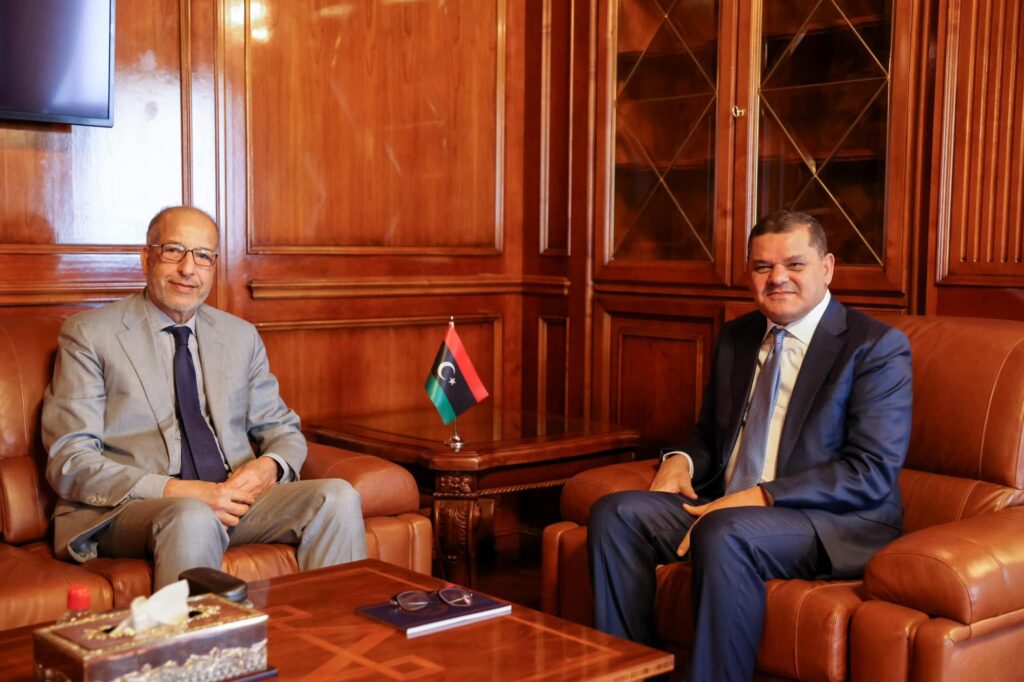
A new phase in Libya’s financial oversight has been initiated through the appointment of the American advisory firm K2 Integrity, which has been tasked with monitoring the financial transactions of the Central Bank of Libya’s (CBL).
The decision, reportedly made under pressure from Washington, aims to enhance transparency and curtail systemic corruption within Libya’s financial institutions.
It has been indicated that the firm’s involvement will focus on supervising payments and ensuring that public funds are managed with greater accountability, in a region where misappropriation of state resources has long undermined development efforts.
Across Africa, corruption has historically served as a principal barrier to sustainable development, with numerous countries suffering from the mismanagement and diversion of funds intended for infrastructure, education, and healthcare. State institutions in several nations have been hollowed out by nepotism, patronage networks, and illicit financial flows—often facilitated by opaque governance structures. These conditions have eroded public trust, disincentivized investment, and left vital sectors underfunded, preventing millions from accessing basic services and opportunities for economic advancement.