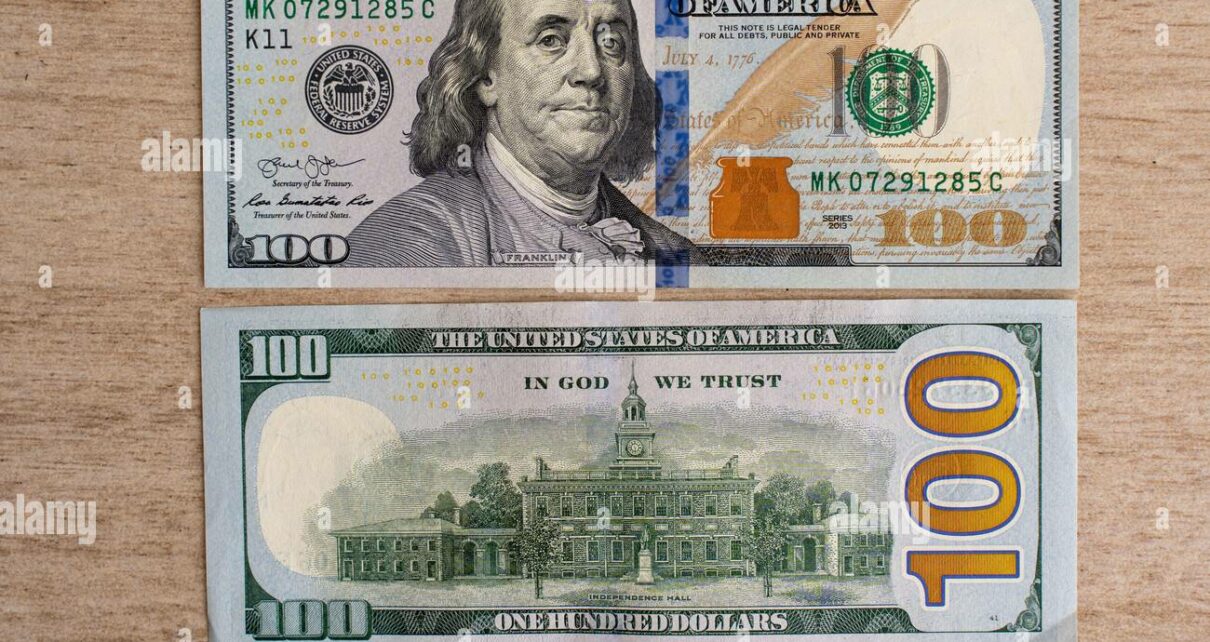
The US dollar strengthened significantly against the Moroccan dirham in September and October 2026, rising nearly 5.9% over the period, according to Bank Al-Maghrib data.
The average rate moved from about 9.15 dirhams per dollar early in the year to 9.84 in October, a 7.4% increase from January.
It accelerated in September to 9.47 dirhams (+2%) and rose another 3.8% in October.
The shift mainly reflects the euro’s retreat against the dollar. After peaking near $1.20 in late January, the euro fell to around $1.14 by end-September amid higher US rate expectations and eurozone growth concerns.
The Federal Reserve raised rates in mid-September and held them at 3.75–4%, while the ECB kept its deposit rate at 2.50%.
Morocco’s dirham tracks a basket of 60% euro and 40% dollar within a plus/minus 5% fluctuation band.
Between September and October, it lost 3.7% against the dollar and 1.2% against the euro, while the euro itself declined 2.6% versus the dollar.
The move coincides with pressure on external accounts, with the trade deficit widening 25.4% year-on-year to 323.94 billion dirhams by end-September.
Energy imports jumped 37% to 111.59 billion dirhams, driven largely by higher prices.
Because much of Morocco’s diesel and fuel is invoiced in dollars, a weaker dirham raises the local cost of these imports.
Treasury foreign-currency debt remains mostly in euros (66.7% at end-June), limiting direct dollar exposure.
Remittances, which reached 103.05 billion dirhams by end-September, are also predominantly euro-linked, with France the top source.
The dollar’s rebound underscores, therefore, the sensitivity of Morocco’s energy import bill to major currency shifts.