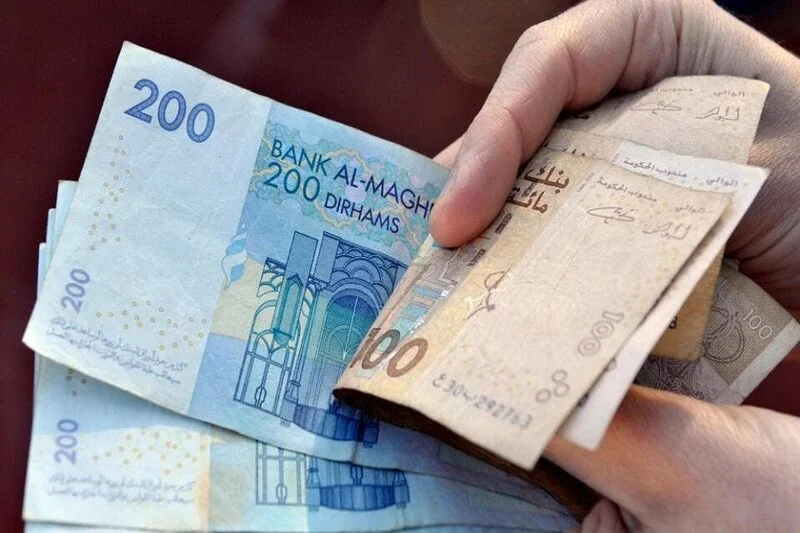
Morocco’s civil servants are earning an average net monthly salary of 10,600 dirhams in 2025, marking a substantial 43.6% increase over the past decade, according to the government’s human resources report accompanying the 2026 Finance Bill. The figure represents a significant improvement from 7,381 dirhams recorded in 2015. Minister of Economic Inclusion Younes Sekkouri confirmed […]
Finance
World Bank recognizes Morocco as Africa’s emerging financial powerhouse
Morocco has solidified its position as a regional financial and commercial hub for Africa, with Casablanca Finance City ranking as the continent’s leading financial center, according to a recent World Bank analysis highlighting the nation’s strategic economic transformation. The World Bank report emphasizes Morocco’s decade-long implementation of comprehensive financial market reforms designed to enhance efficiency, […]
BCP Group achieves international anti-corruption certification
Morocco’s BCP Group has obtained ISO 37001-2025 certification for its Anti-Bribery Management System, marking a significant milestone in the banking sector’s commitment to transparency and ethical governance, the institution announced following a comprehensive audit conducted July 21-25, 2025. The certification, delivered by Certi-Trust auditors, validates BCP’s compliance with international anti-corruption standards and reflects strategic prioritization […]
New debt tracker signals shift toward Africa’s financial sovereignty
In a landmark move to address Africa’s mounting debt crisis, finance ministers across the continent have adopted the African Debt Monitoring Mechanism (ADMM) — a real-time, continent-wide system designed to track both domestic and external debt. Approved during the 8th Ordinary Session of the African Union’s finance-focused committee in South Africa, the ADMM is hailed […]
Morocco’s 2026 budget targets growth, fiscal discipline & record investments
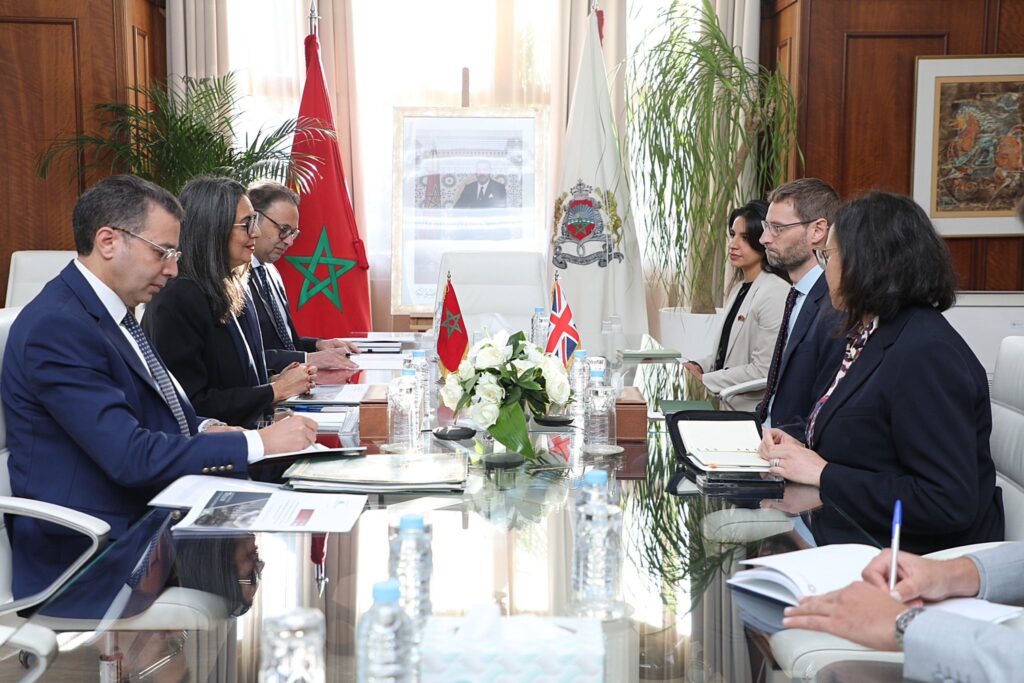
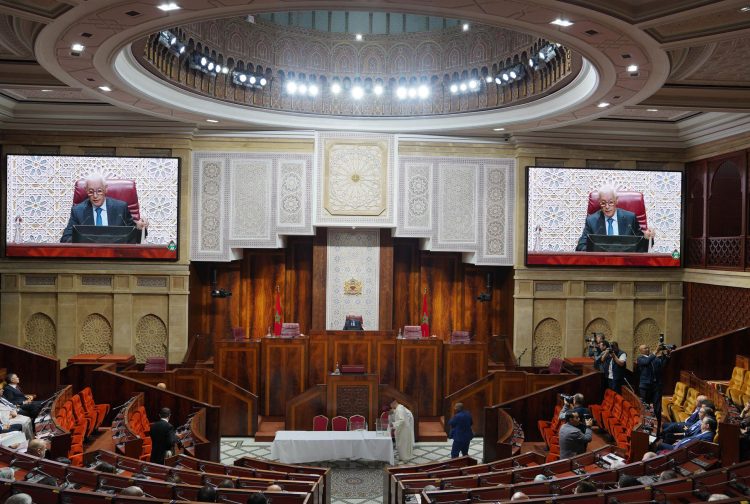
Morocco’s draft finance bill for 2026, presented to the Parliament by Economy and Finance Minister Nadia Fettah, outlines an ambitious roadmap to sustain growth while preserving fiscal stability. The plan projects GDP growth at 4.6%, inflation contained at 2%, and a budget deficit reduced to 3% of GDP, alongside a public debt ratio of 66%. […]
Tunisia’s domestic borrowing gamble risks inflation and social unrest
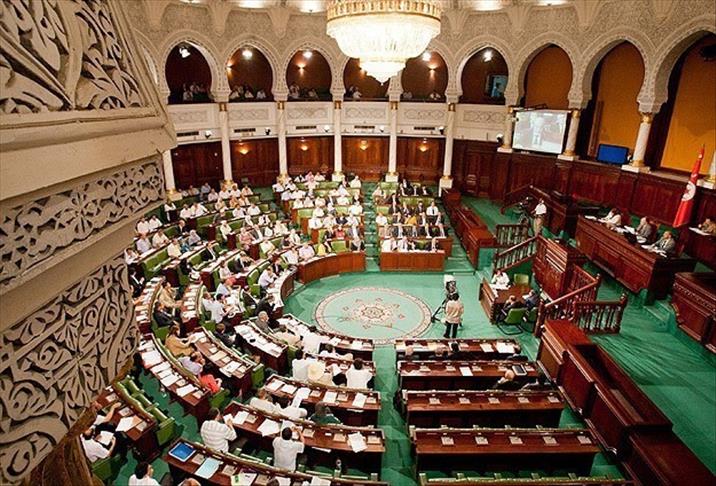
The Tunisian government plans to seek $3.7 billion in direct financing from the Central Bank of Tunisia (BCT) in 2026, after borrowing $2.3 billion this year to cover urgent debt repayments. Total financing needs are projected at 27 billion dinars, with plans for a 7 billion dinar sukuk issuance, a first for the country. Public […]
Morocco’s 2026 budget to create 37,000 jobs, 70% in health and education
Morocco’s draft budget for 2026, unveiled Monday by Economy and Finance Minister Nadia Fettah, prioritizes social sectors by creating 36,895 new civil service positions, with health and education accounting for 70% of the total. According to the bill, 8,000 posts will go to the health sector, while 19,000 positions are earmarked for education, mainly to […]
Morocco unveils territorial development reforms with 140 bln dirhams for health and education
King Mohammed VI chaired a Council of Ministers on Sunday at the Royal Palace in Rabat to approve the general orientations of Morocco’s 2026 Finance Bill, which places territorial development and social investment at the heart of government priorities. The draft budget, presented by Economy and Finance Minister Nadia Fettah Alaoui, seeks to consolidate economic […]
Morocco’s King chairs a Council of Ministers devoted to the 2026 Finance Bill, territorial development, health, education, and electoral laws
King Mohammed VI chaired, at the Royal Palace in Rabat on Sunday, October 19, a Council of Ministers devoted, among other things, to examining the general guidelines of the draft finance bill for the year 2026 and the reform of electoral laws, the Royal Office said in a statement. Territorial development, the 2026 Finance Bill […]
France bears €2 bln burden from 1968 Franco-Algerian accord
A confidential parliamentary report has exposed what lawmakers describe as a “costly imbalance” in Franco-Algerian relations, estimating that France spends €2 billion annually due to the 1968 migration accord, while Algeria continues to obstruct deportations and shirk financial obligations. The agreement, signed six years after Algeria’s independence, was intended to facilitate labor migration during France’s […]