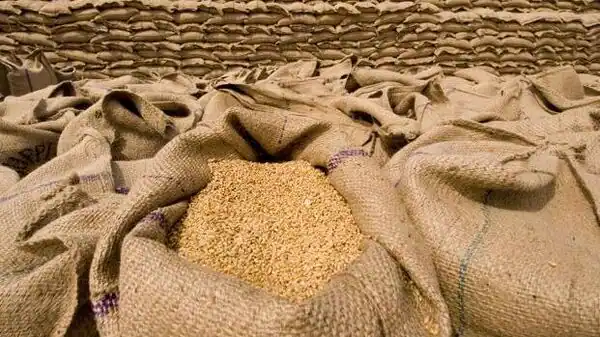
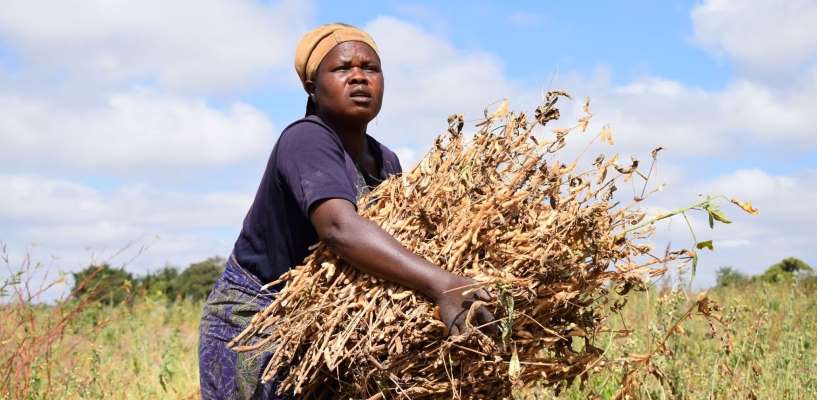
Algeria may be heading for its best cereal harvest in years, but fresh data from the UN Food and Agriculture Organization (FAO) and recent import trends suggest President Abdelmadjid Tebboune’s repeated promises of wheat self-sufficiency remain a mirage.
The FAO forecasts Algeria’s 2025-26 cereal harvest at around 5 million tons, far below the 9 million tons reported by neighboring Morocco.
The Algerian forecast is still the strongest performance since 2019 and nearly 30% above average thanks to favorable rainfall and improved growing conditions.
Yet the same FAO assessment projects that Algeria will still need to import 14.5 million tons of cereals during the 2026-27 marketing year, including 8.5 million tons of wheat, highlighting the country’s continued dependence on international markets.
The figures expose the wishful thinking permeating official statements made over the past several years by the president.
Following his re-election in September 2024, Tebboune reiterated an ambitious pledge that 2025 would effectively mark the end of durum wheat imports, presenting self-sufficiency as an achievable short-term objective.
Algeria’s grain agency, the OAIC, continued purchasing substantial volumes of Canadian durum wheat, buying more than 500,000 tons in December 2025 and another 400,000 tons in April 2026, while regularly issuing tenders for milling wheat throughout the year.
The Algerian president’s chimera ignores Algeria’s actual wheat problems.
While the government has made progress in expanding production of durum wheat, used for couscous, pasta and semolina, the country remains structurally dependent on imported soft wheat, the essential ingredient of the baguette that dominates Algerian consumption.
Algerian media, Maghreb Emergent, notes that between 75% and 80% of Algeria’s imported wheat consists of soft wheat destined for bread production. Despite gains in domestic agriculture, the government continues to rely heavily on imports to sustain a subsidized bread model that has remained largely unchanged for decades.