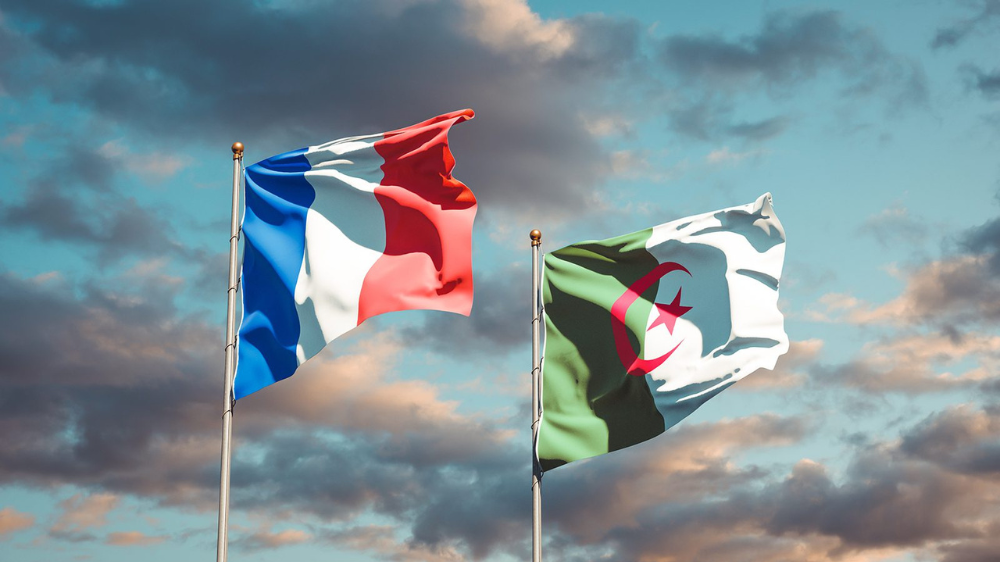
A meeting meant to relaunch strained ties between France and Algeria has instead laid bare Algiers’ weakened diplomatic position, with the spying controversy surrounding a senior Algerian intelligence chief casting a long shadow over the talks.
Earlier this month, discussions in Paris, led by French Interior Minister Laurent Nuñez and his Algerian counterpart Saïd Sayoud, resulted in Algeria agreeing to a series of long-contested measures, including closer cooperation on deportations (OQTF), migration flows, the dismantling of criminal networks and the return of French intelligence liaison officers to Algiers.
While officially framed as a reset in bilateral relations, observers say the outcome amounted to a one-sided concession by Algeria, which secured no visible reciprocal commitments not to mention failure to alter Paris’s firm position in support of Morocco’s sovereignty over the Sahara territory which triggered the Algerian-French spat.
The failure is a pattern as Algeria also failed to maintain leverage in a previous standoff with Spain. Its traditional pressure tools – notably migration cooperation and deportation enforcement – appear to have lost effectiveness, weakening its hand in negotiations.
The most telling detail, however, was the absence of General Rochdi Fethi Moussaoui, Algeria’s powerful external intelligence chief, widely seen as the regime’s point man for sensitive overseas operations.
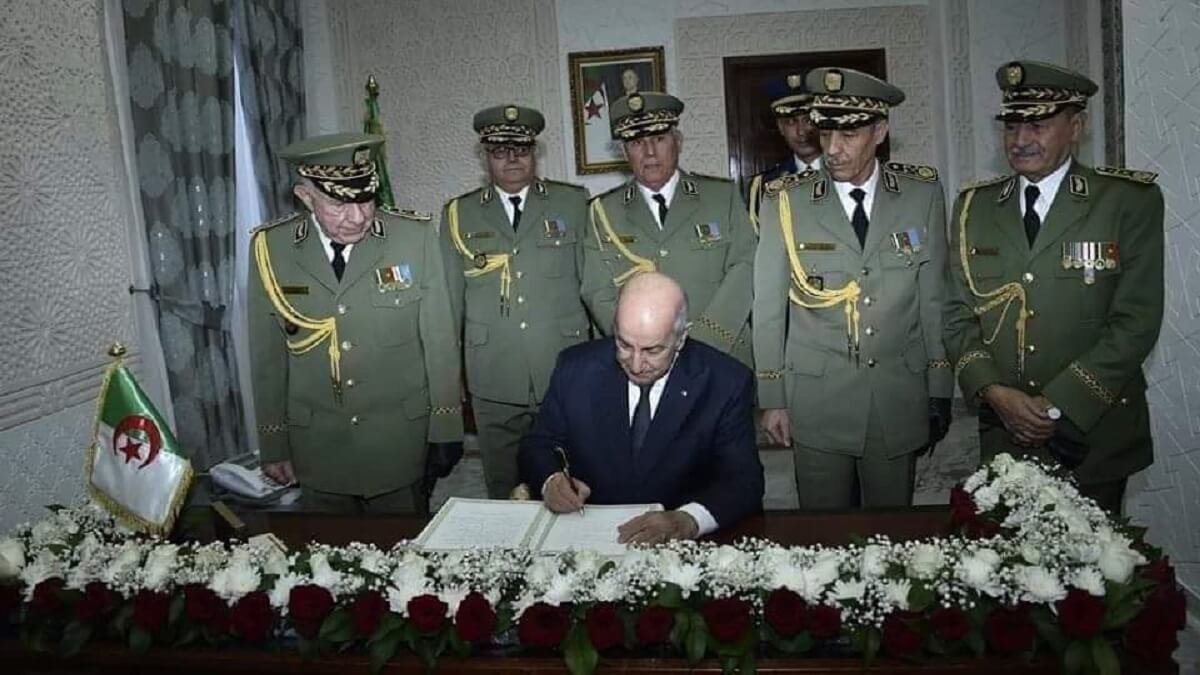
Despite the presence of senior Algerian security officials, Moussaoui did not attend the Paris meeting and was missing from the official delegation photograph, a gap analysts interpret as deliberate and politically necessary.
Moussaoui, who heads la Direction générale de la documentation et de la sécurité extérieure (DGDSE), is a central figure in Algeria’s intelligence system, overseeing foreign operations, counterterrorism coordination and strategic security ties with France in addition to silencing opposition figures by all means.
His absence comes amid mounting scrutiny in France over alleged clandestine activities linked to Algerian services on European soil.
Covert operations
French media and judicial investigations have increasingly focused on what are described as “barbouzeries”- covert operations targeting Algerian dissidents abroad, including attempted kidnappings and intimidation campaigns.
Olivier Christen, France’s National Anti‑Terrorism Prosecutor (PNAT), publicly stated that several ongoing judicial investigations into “state terrorism” involve Algeria, particularly in cases targeting political opponents on French soil.
The accusations are tied in part to a failed abduction case involving an Algerian opposition figure in France, which triggered a wider probe into the activities of Algerian operatives and their alleged links to senior intelligence officials.
According to French investigative reporting, Moussaoui has been repeatedly cited in connection with these cases, placing him at the center of a growing diplomatic and legal storm.
Concessions amid pressure
Against this backdrop, Algeria’s readiness to accept French demands during the Paris talks is seen by analysts as a sign of mounting pressure on the regime of President Abdelmadjid Tebboune.
In addition to migration and security cooperation, the agreements signal a broader realignment in which Algeria appears to be stepping back from previous hardline positions in order to stabilize relations and avoid further escalation, particularly as judicial scrutiny intensifies in France.
The episode reflects a broader shift in the balance of power between Algeria and its European partners. Following a failed standoff with Spain and strained ties with France, Algiers now faces reduced leverage on key issues including migration, trade and energy diplomacy.