Morocco is poised to play a pivotal role in mitigating the risk of a looming food crisis in West Africa’s Sahel region, leveraging its fertilizer industry and African partnerships, according to a new analysis by the Washington-based Middle East Institute.
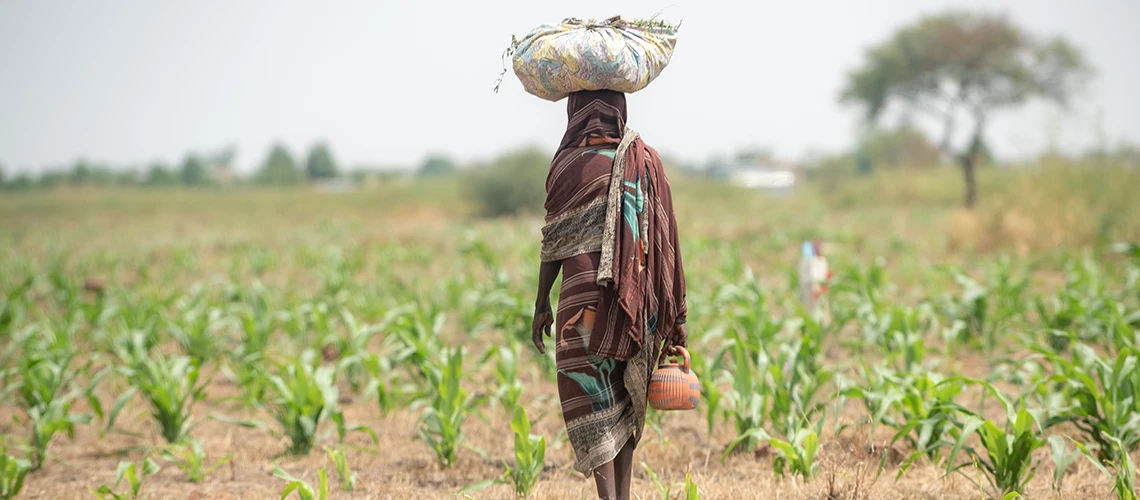
Disruptions to global shipping through the Strait of Hormuz have triggered a sharp rise in fertilizer prices and delays in delivery, threatening crop production in the Sahel, where agriculture is highly dependent on imported inputs and tightly linked to seasonal rains.
With as many as 50 million people potentially facing acute food insecurity during the 2026 lean season, the paper argues that rapid intervention is needed to prevent a wider humanitarian crisis.
Among regional actors, Morocco stands out due to its dominant position in global fertilizer markets, the analysis said.
The country holds roughly 70% of the world’s known phosphate reserves and has built a globally integrated fertilizer industry through state-backed OCP Group.
The study highlights Morocco’s extensive footprint across Africa, including existing agricultural partnerships, fertilizer distribution networks and soil-mapping programs in West Africa.
These assets give Rabat a ready-made platform to deliver targeted support to vulnerable Sahelian countries, it said.
“Morocco has the commercial reach, fertilizer capacity and Africa-facing diplomacy to play a leading role,” the report said, pointing to its ability to connect global supply chains with on-the-ground agricultural needs in neighboring regions.
The report notes that Morocco’s potential can be better leveraged through coordinated action involving regional governments and international institutions.