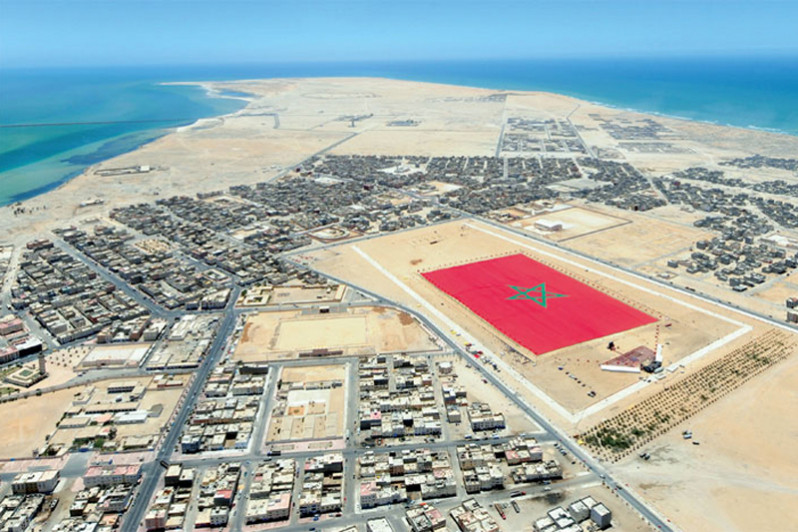
A delegation of diplomats from English-speaking African countries visited on Monday the Sahara city of Dakhla, where they were briefed on the development momentum underway in the Dakhla-Oued Eddahab region in several strategic sectors.
The visit, marked by meetings with local officials, took place as part of the International Diplomatic Training Cycle organized for diplomats representing several English-speaking African countries.
The diplomats were informed on Dakhla’s positioning that reflects the vision of a Morocco deeply rooted in its African space, committed to South-South cooperation based on solidarity, co-development, and regional integration. This momentum makes the Southern Provinces a strategic hub connecting Morocco to the continent.
Special focus was laid on Dakhla’s key assets, including its infrastructure, energy potential, economic openness, and stability, making of the region a hub for sustainable development and a lever for structured partnerships with Africa.
Consolidating this momentum rests on a shared vision grounded in trust, realism, and converging ambitions, that will help make of Dakhla a platform supporting shared prosperity, enhanced economic sovereignty, and a forward-looking African cooperation.
During the visit, the delegation members attended a presentation on the major structural projects launched in the region, available investment opportunities, and development initiatives across several sectors, including infrastructure, logistics, the blue economy, and renewable energy.
In a statement to the press, Titus Mumba, a Zambian diplomat and economist, said the visit provided a better understanding of Morocco’s experience in territorial development and national branding. He commended Morocco’s vision and the lessons drawn from the economic and strategic potential of the Dakhla region.
He also highlighted the significance of Atlantic access for landlocked countries such as Zambia, noting that the major structural projects underway in the region offer significant prospects in terms of connectivity, logistics, and regional cooperation.