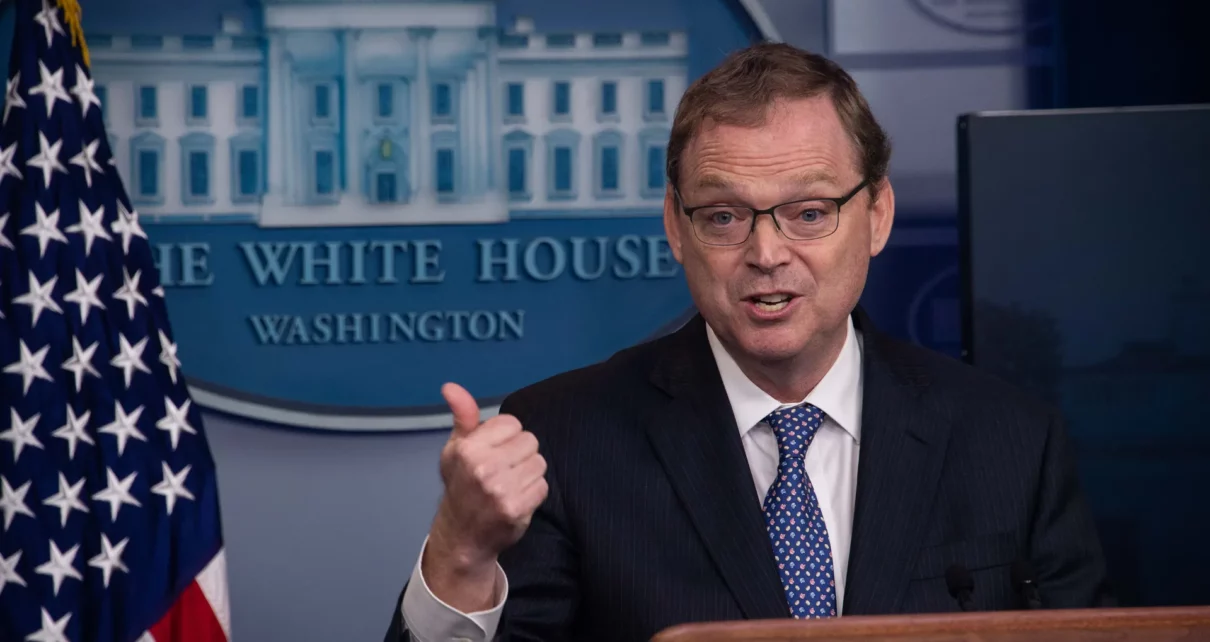
The US is seeking to plug its fertilizers shortage following supply disruptions in the Gulf by increasing imports from Morocco and Venezuella, White House economic adviser Kevin Hassett said.
“We’ve … established licenses for Venezuela to produce more fertilizer. We’ve had discussions with Morocco,” he told CNBC.
Additional supplies from Morocco and Venezuela would represent “an insurance policy against disruption” for US farmers, he said.
The US–Israel–Iran conflict has sharply disrupted global fertilizer flows, after Iran shut and targeted vessels in he Strait of Hormuz, through which 20–30% of global fertilizer exports and 35% of global urea typically move.
This closure has caused fertilizer prices to spike as Gulf producers halt production or lose shipping access, leaving large volumes of ammonia, urea, phosphates, and sulfur stranded in the region.
For the US, the shock is immediate because it relies on imports for 10% of ammonia, 35% of urea, and up to 40% of processed phosphates, all now subject to extreme volatility.
US urea prices jumped by more than $100 per ton in a week, and nitrogen fertilizer prices overall are up about 30% since the conflict began, raising the risk that farmers cut fertilizer use or shift crops, potentially reducing yields and fueling future food inflation
Morocco’s OCP is also the world’s largest exporter of phosphates and fertilizers, supplying major agricultural economies such as Brazil, India and Europe, while expanding its role in African food security through fertilizer partnerships and local production initiatives.
Morocco aims to grow fertilizer output from 12 million to 20 million tonnes by 2027