Morocco and Russia have moved to strengthen their fisheries partnership after officials wrapped up the first session of their Joint Fisheries Commission in Rabat, the latest step in implementing a four-year cooperation agreement the two countries signed in Moscow last October, covering the Moroccan Sahara waters.
The meeting focused on how both sides are putting the new agreement into practice. The deal, signed on October 17, 2025, replaced a previous accord that lapsed at the end of 2024 and now governs Russian fishing operations in Morocco’s Atlantic waters, according to a statement on Russia’s federal fisheries agency.
The commission laid out the legal and technical rules Russian vessels must follow, from where they can operate to how much they are allowed to catch, all in line with Moroccan regulations.
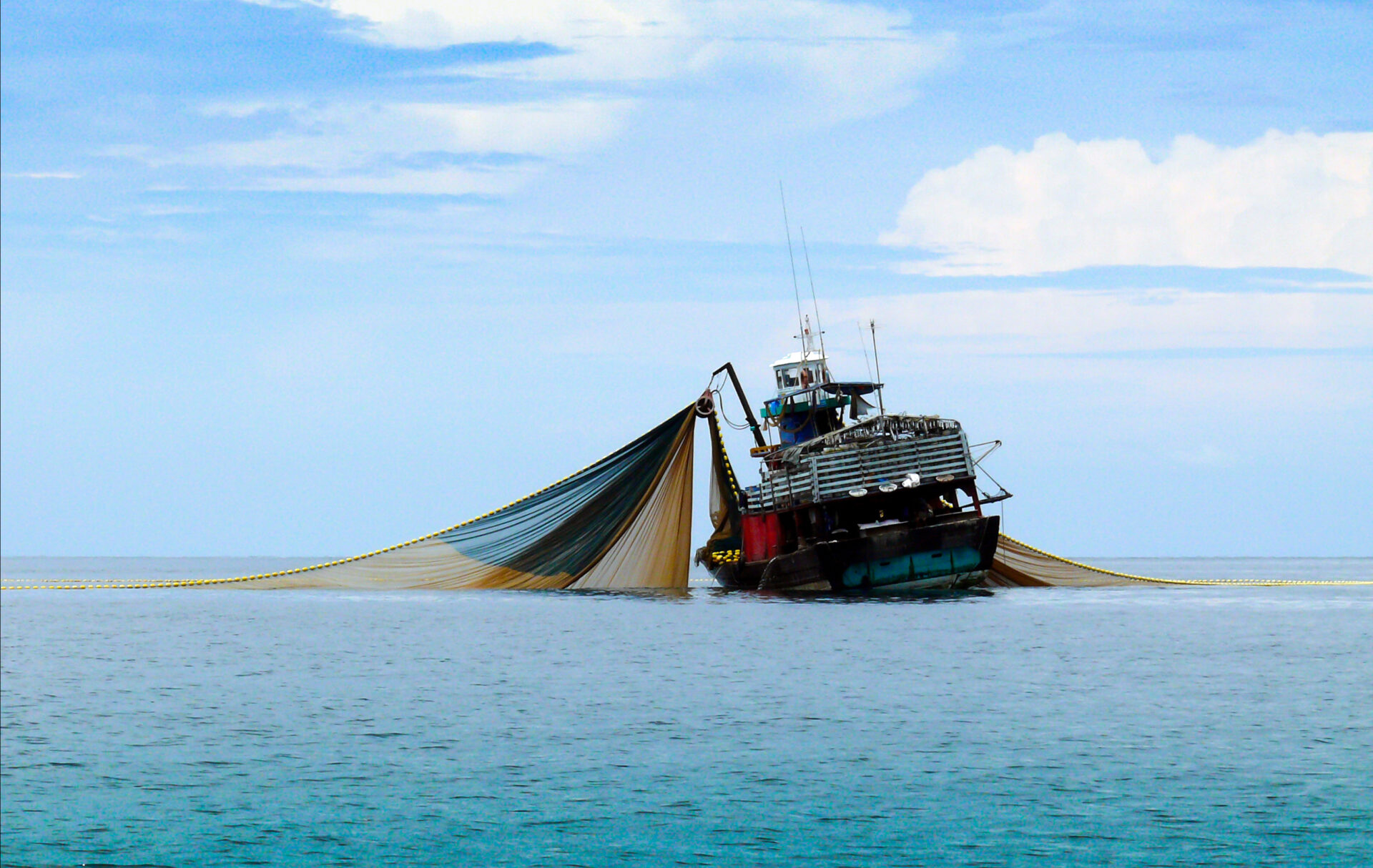
Russian fishing off Moroccan coasts will target pelagic species such as mackerel and horse mackerel, a long-standing commercial focus for Russia in the Moroccan Atlantic zone, the statement added.
Ilya Shestakov, head of Russia’s Federal Agency for Fishery, said both governments also want to expand cooperation in training and scientific research, describing these areas as increasingly important for the sector.
He pointed to the joint “Great African Expedition” carried out in 2024 and 2025, saying the research helped produce a clearer picture of Morocco’s marine ecosystem and informed recommendations on sustainable catch levels, according to the statement.
Building on that, Morocco and Russia plan to conduct annual scientific expeditions to track the health and replenishment of small pelagic stocks.
The fisheries agreement signed in Moscow sets catch quotas that cannot be exceeded, clearly defined fishing zones along Morocco’s Atlantic coast, and biological rest periods meant to protect fish stocks.
It also commits both sides to environmental safeguards, including protecting marine ecosystems, preventing overfishing and tackling illegal, unreported and unregulated fishing.
Scientific cooperation plays a prominent role as well. Morocco’s National Institute of Fisheries Research (INRH) and its Russian counterpart are expanding joint studies, training initiatives and ecosystem-monitoring efforts — areas both sides see as essential for sustainable fisheries management.
The agreement is expected to benefit coastal regions, particularly in the southern provinces, where ports handle much of the activity linked to Russian vessels. Officials say it should also support local employment, particularly for Moroccan seafarers working aboard Russian ships.