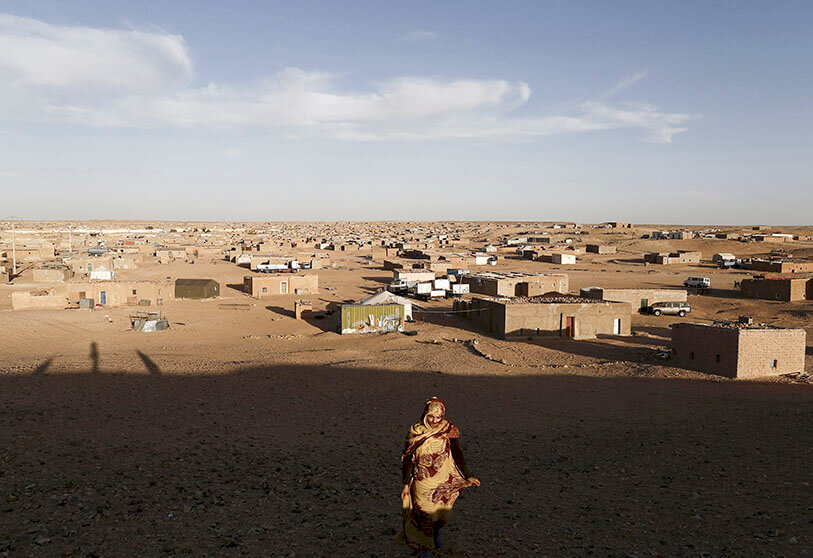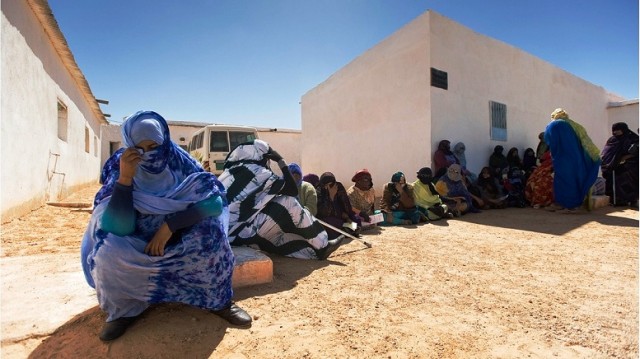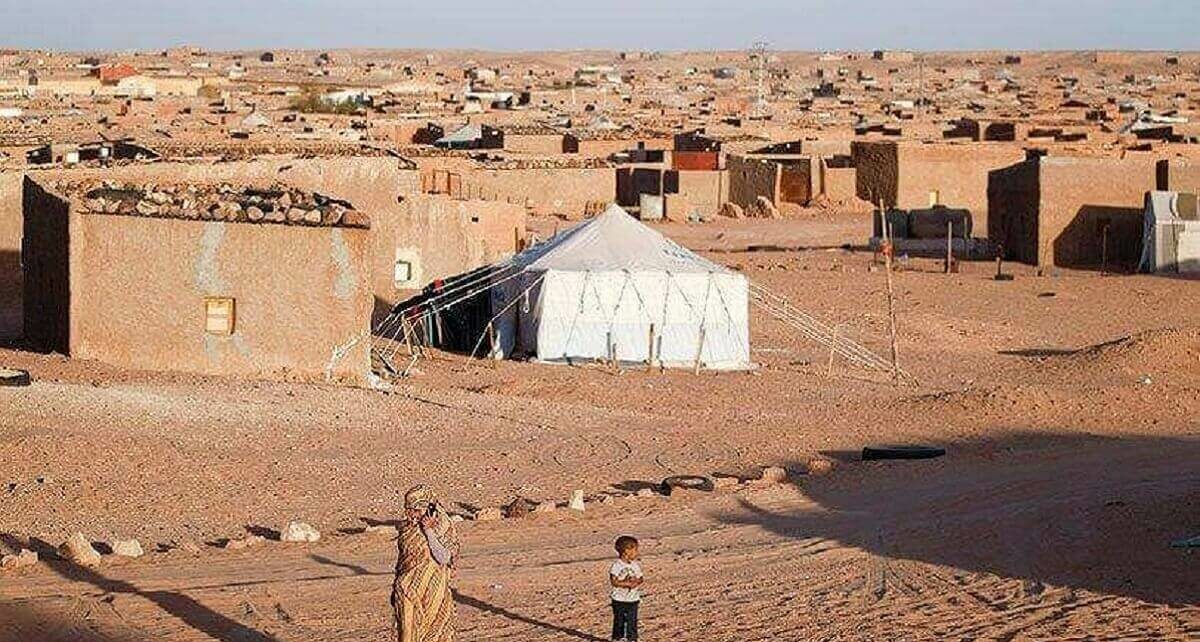
A high-level conference at the Palais des Nations in Geneva placed long-term displacement in Africa at the centre of discussions, with speakers drawing particular attention to the dire humanitarian conditions in Algeria’s Tindouf camps.
The event, held on the sidelines of the 61st session of the UN Human Rights Council, was convened by several NGOs with consultative status at the UN Economic and Social Council, in coordination with the Sovereign Order of Malta.
Bringing together international experts and civil society representatives, the conference focused on “Strengthening Sustainable Solutions: Resettlement, Humanitarian Assistance and Refugee Rights Protection in Africa.”
Among the participants were regional cooperation specialist Moaayen Mustafa, African human rights expert Moulay El Hassan Naji, MAAT President Ayman Okeil, and Safia Rekibi Idrissi of the African Centre for Human Rights. Representatives of the Order of Malta, Nigerien human rights networks, legal experts, and humanitarian actors from the Democratic Republic of Congo also contributed to the debate.
Speakers noted that the Tindouf camps remain among the continent’s oldest unresolved displacement crises due to the intransigence of Algeria and its Polisario proxies to accept a political solution based on autonomy.
They said the population held against their will in the Polisario-run camps remained dependent on humanitarian aid for decades and were facing restricted movement, limited job prospects and barriers to higher education.
Several participants highlighted territorial development models as a means to stabilize vulnerable regions, pointing to infrastructure investment and improved living standards in Morocco’s southern provinces as an example of resilience-focused planning.
The conference also reviewed worsening displacement across the Sahel, driven by armed conflict and climate fragility, including the rising recruitment of children.