Generous rainfall and snowfall since mid-November have given a major boost to Morocco’s 2025 agricultural season, Agriculture Minister Ahmed Bouari said, highlighting improvements in crop conditions, water reserves and grazing lands.
Speaking to members of the Moroccan parliament, Bouari said the abundant rainfall had a “direct and beneficial impact” on wheat, vegetables and fruit trees, and had improved pastures nationwide.
These developments, he said, strengthen the outlook for higher production and more stable supplies to domestic markets.
As of February 2, average cumulative rainfall reached 360 mm, 54% above the 30-year average and 215% higher than the same period last season.
Agricultural dams now hold 8.22 billion cubic meters of water, with a 58% filling rate, compared with 25% a year earlier.
Total national reserves, including dams for drinking water, stand at 10.26 billion cubic meters, pushing the filling rate to 61% from less than 28% last year.
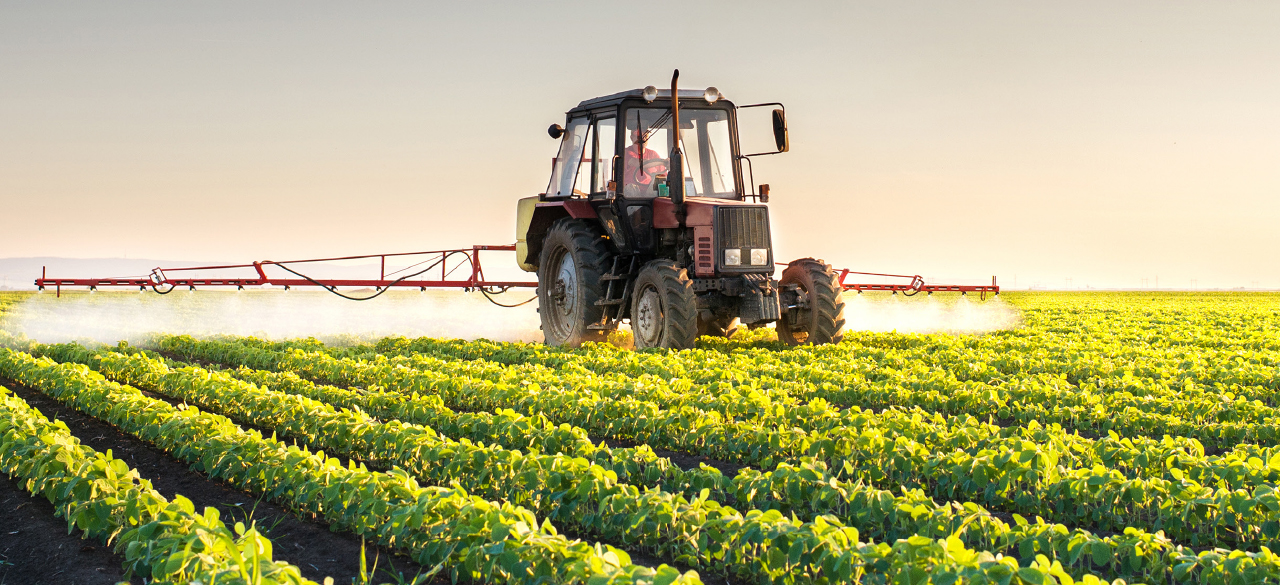
The total ploughed area has reached 4.5 million hectares, nearly 10% irrigated, supported by a mechanization rate of 95%, he said.
Autumn field crops exceed 4 million hectares, up 40% from last season, including 3.7 million hectares of cereals, 430,000 of fodder and 113,000 of pulses.
Sugar crops cover 44,500 hectares, a 24% increase. Direct seeding expanded to 215,000 hectares, aided by 150 newly acquired seeders for agricultural cooperatives.
About 100,000 hectares of autumn vegetables have been planted, with expected output of 2.1 million tons, roughly 300,000 tons more than last season. Winter vegetable crops should cover 68,000 hectares, ensuring steady market supply from February to June, including Ramadan, he said.
Fruit production indicators are also positive, with citrus output expected at 1.9 million tons (+24%), olive production at nearly 2 million tons (+106%) and dates at 160,000 tons (+55%), the minister said.
Under the national herd reconstruction program, 1.13 million farmers have received 5.3 billion dirhams in support. Aid distribution will continue through February, with a second phase planned in April.
Bouari said fertilizer prices continue to benefit from tax exemptions, though international volatility has pushed up costs for nitrogen products, all of which are imported. Phosphate fertilizer supply reached 650,000 tons, covering national needs.
Feed prices remain generally stable, except for a 12% rise in hay due to years of drought. Meat prices remain influenced by biological production cycles and lingering drought effects.