Algeria’s latest football humiliation in Marrakesh during the African Cup of Nations gave way to a spate of conspiracy theories by the Algerian media, commentators and politicians.
When faced with defeat on the pitch by an outplaying Nigerian squad, the country’s media ecosystem prefers delusion over self reflection.
The Super Eagles dominated possession, imposed superior physicality, and scored twice early in the second half. Algeria, meanwhile, delivered one of their most lifeless tournament performances in recent memory, failing to register a single shot on target and producing their first meaningful attempt only in the 80th minute. Facts do not stutter, but Algerian commentators are in denial.
Yet within minutes of the whistle, the familiar chorus began. Instead of acknowledging a broken tactical setup, absent creativity, and a team mentally rattled long before kickoff, Algerian media personalities, led by populist Hafid Derradji, reverted to their favorite crutch: blame Morocco, blame CAF, blame the referee, blame everyone except the Algerian national team.
Derradji has spent years cultivating a narrative in which Morocco is at the center of every Algerian hardship, from tournament hosting to officiating to ticketing systems. His previous allegations of corruption in AFCON hosting decisions fit neatly into the same paranoiac template now being applied to the loss against Nigeria.
The more Algeria underperforms on the pitch, the more feverishly its media ecosystem works to construct elaborate conspiracies. This time, Morocco was accused of “paying the referee,” a claim so absurd it collapses upon the slightest contact with reality.
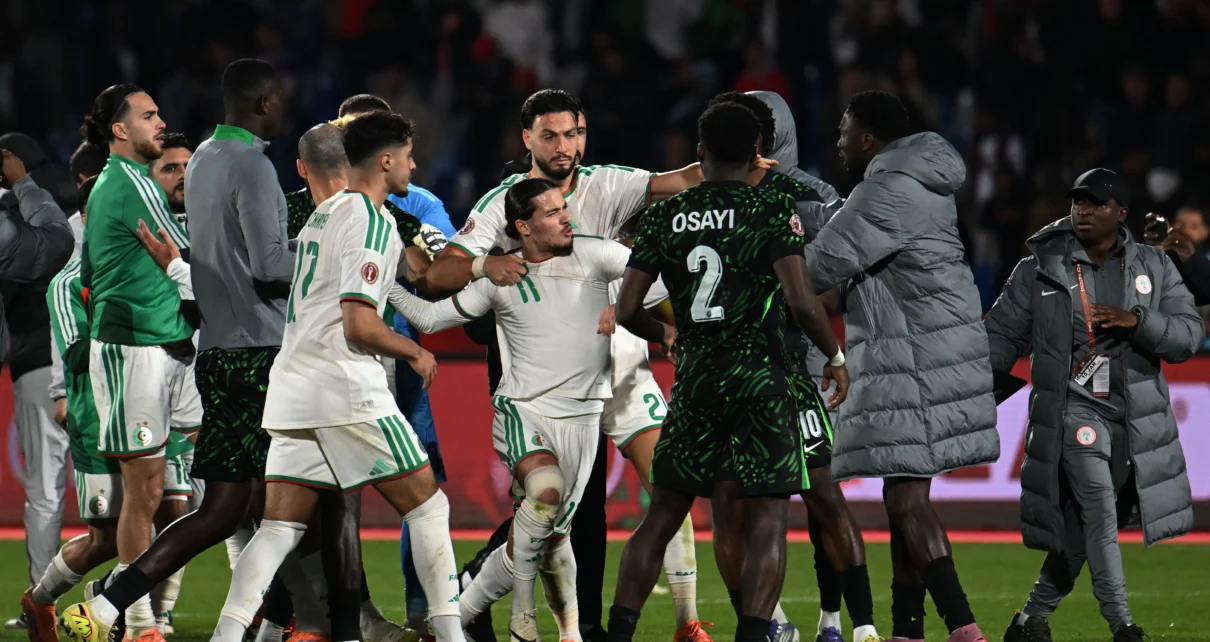
Nigeria’s win required no assistance: their intensity, technical superiority and control of the midfield were evident from kickoff to the final scuffle in stoppage time. Even neutral outlets described Algeria as “completely outplayed”, while the statistical record is brutal: Nigeria 13 shots, Algeria 3; Nigeria 5 on target, Algeria 0. The numbers tell one story. Algerian commentators insist on another.
This widening gap between reality and Algerian narrative production is not an accident. It reflects a political culture in which conspiracy theories serve as a narcotic, numbing citizens to institutional decay and redirecting public frustration toward a manufactured enemy, usually Morocco.
Algerian state adjacent outlets have long weaponized sports as an extension of geopolitical hostility, amplifying baseless claims of Moroccan plots whenever the national team underperforms. Analysts have documented how these outlets increasingly claim that CAF, FIFA and even foreign governments bend to Morocco’s will, a fantasy that collapses when confronted with documented facts, yet persists because it is politically useful.
The effects of this disinformation ecosystem were visible in Marrakesh. While Nigeria celebrated progression to the semi finals, parts of the Algerian contingent reacted with anger and disorder.
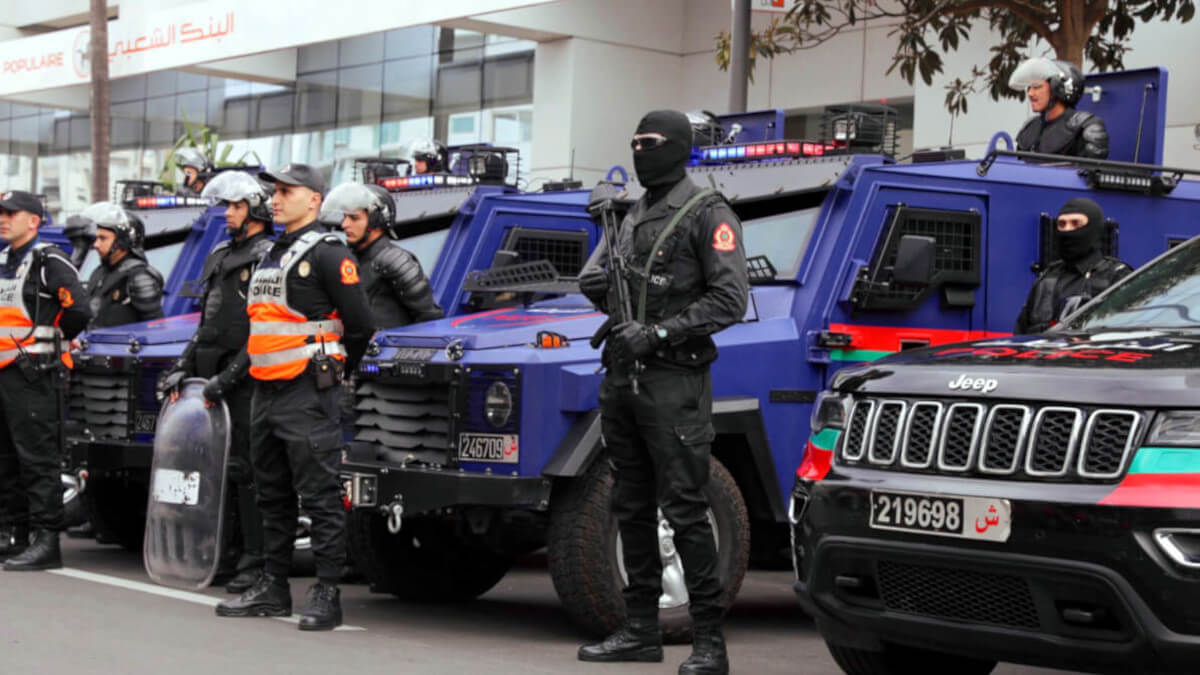
CAF’s disciplinary unit has opened investigations into post match clashes involving players and into disturbances in the stands, where segments of supporters attempted to break through security barriers. These are not rumors but official proceedings triggered after security reports and match official documentation were submitted to the confederation. When supporters are conditioned to believe defeat is never legitimate, frustration inevitably spills beyond rhetoric.
The incidents come on top of already documented cases during this tournament involving Algerian supporters. In one earlier match in Rabat, an Algerian fan was questioned for urinating in public in the stadium, while another will face justice for recording and insulting people in Marrakech.
Again, this culture of rudeness and impunity grows from the same soil: an information environment in which hostility and victimhood are cultivated deliberately, and where narratives of persecution replace norms of sportsmanship.
Normative media theory explains this dynamic with precision. Years of indoctrination under the regime of Tebboune has shaped perceptions of many Algerians regarding Morocco. The agenda setting function of the Algerian press ensures that conspiracy, not accountability, becomes the dominant public explanation for failure.