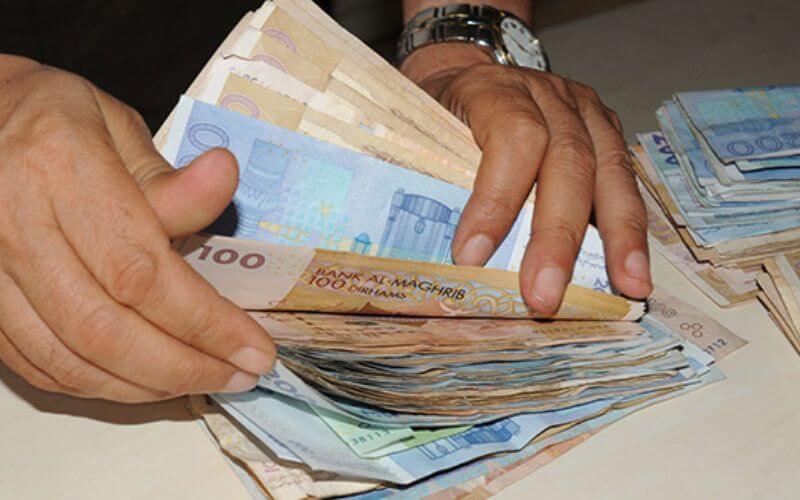
Morocco’s government has approved a five percent minimum wage increase effective January 1, 2026, for non-agricultural sectors, establishing new legal remuneration thresholds businesses must observe. The Government Council approved the related decree this December, continuing multi-year wage enhancement dynamics.
According to the Employment Ministry, the minimum interprofessional guaranteed wage will have progressed 20 percent during the 2021-2026 period. In absolute terms, this evolution represents 3.11 dirhams increase per work hour, providing estimated monthly gross gains of 594 dirhams. Hourly minimum wages rise from 17.10 dirhams to 17.92 dirhams.
Agricultural sectors experience equivalent guaranteed minimum agricultural wage increases, though application delays until April 1, 2026, when daily rates reach 97.44 dirhams versus current 93 dirhams. This revaluation brings cumulative agricultural wage progression to 25 percent across the entire period, representing 20.74 dirhams daily gains—approximately 539 additional monthly dirhams.
These adjustments conclude the second phase of tripartite social agreements signed April 29, 2024, between government, representative union organizations, and employer professional organizations including CGEM and Comader. The accord provided progressive legal minimum wage increases staggered temporally limiting economic impact and enterprise balance disruption while continuing 2019 social agreement foundations establishing gradual trajectories for modest income revalorization.
In 2021, non-agricultural minimum wages stood at 14.81 dirhams hourly while agricultural rates reached 76.70 dirhams daily. Successive decrees raised these thresholds progressively—minimum wages reaching 15.55 dirhams in September 2022, 16.29 dirhams in September 2023, and 17.10 dirhams in January 2025, with agricultural wages following similar trajectories through 84.37 dirhams, 88.58 dirhams, and 93 dirhams daily by April 2025.
The planned 2026 increase closes a pre-programmed revaluation cycle. While constituting important social benchmarks for affected workers, no announcements address subsequent increase calendars. It establishes new legal reference thresholds enterprises must integrate into salary policies from January 2026, marking additional stages executing social commitments undertaken by the state and partners.