Morocco is one of only two countries in the African sample, alongside Zimbabwe, where local education authorities work with clear, measurable learning goals and formal performance contracts with schools, according to a UNESCO education report.
The report, relayed by Hespress news outlet, looks at how African countries are progressing on basic education completion and foundational learning, especially reading and math in the early years of primary school.
It is based on surveys of around 300 primary schools and interviews with local education officials in five countries: Morocco, Cameroon, Côte d’Ivoire, Kenya, and Zimbabwe.
One of Morocco’s main strengths, the report says, is its decentralized education system. Regional academies for education and training play a central role in planning, managing resources, and supporting schools.
These public institutions have financial and administrative autonomy, giving them more room to act compared to more centralized systems elsewhere on the continent.
Accountability is another area where Morocco scores relatively well. School principals work with inspectors to develop what is known as the “integrated school project,” which sets educational and organizational priorities.
Schools also rely on the “Massar” digital system, which allows principals to track student data, monitor performance, and compare results with similar schools in real time.
However, the picture is far from perfect. While enrollment data and final exam results are generally available, information on student and teacher absenteeism is less consistent.
Data on early learning outcomes is especially weak, limiting the ability of local authorities to step in early when students start falling behind. This problem is not unique to Morocco but affects all countries covered by the report.
Morocco is also the only country in the sample that uses a written exam followed by two years of training before principals fully take up their roles.
Even so, many principals spend most of their time on administrative work rather than pedagogical leadership. Only about 40 percent hold regular monthly meetings with teachers, compared to over 80 percent in several other countries.
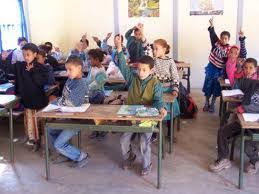
In classrooms, Morocco shows mixed results. Group support sessions for struggling students are common, and textbooks are relatively available in the early grades, with close to one book per student.
Almost all teachers were able to show lesson plans, a strong indicator of structured classroom planning. Still, a quarter of early-grade teachers said they lack a teacher’s guide, pointing to gaps in teaching support tools.