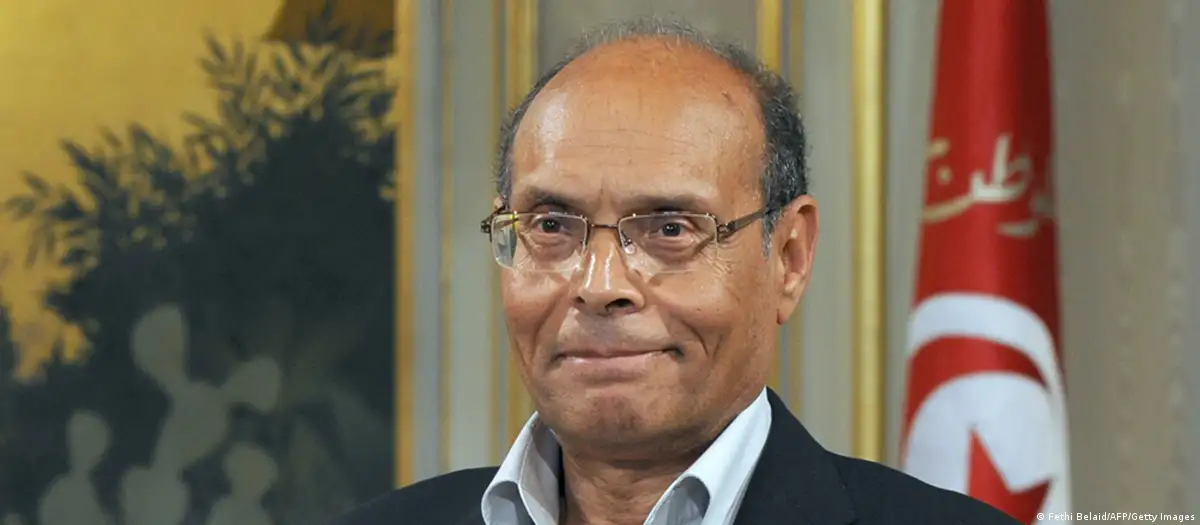
Former Tunisian president Moncef Marzouki believes the Maghreb is entering a decisive phase, driven by a new United Nations approach to the Sahara dispute and mounting political turmoil in Tunisia.
In an exclusive interview with le360, Marzouki argues these developments confirm Morocco’s growing diplomatic centrality while exposing Algeria’s need to reckon the failure of its decades-long pro-separatist and anti-Morocco doctrine.
Marzouki points to what he calls a “major inflection” in international handling of the Sahara issue. The latest UN resolution, he says, implicitly recognizes four stakeholders: Morocco, Algeria, Mauritania, and the Polisario Front. This has undermined Algeria’s long-standing narrative of a bilateral conflict between Rabat and the separatists.
For Marzouki, this shift reflects global fatigue with a dispute seen as a geopolitical irritant and signals a diplomatic win for Morocco.
He cautions against framing this as Algeria’s defeat, stressing that regional stability requires Algiers to reposition constructively and shed the political and economic burden of its current stance. Such a move, he argues, could revive prospects for Maghreb integration and unblock the paralyzed Arab Maghreb Union.
Turning to Tunisia, Marzouki draws parallels between today’s climate and the months preceding Ben Ali’s fall in 2011. He accuses President Kaïs Saïed of consolidating personal rule, jailing opponents, and presiding over economic decline.
“The same democracy that brought him to power will remove him,” Marzouki asserts, predicting that growing street opposition signals the imminent collapse of Saïed’s authoritarian cycle.
This instability, he warns, erodes Tunisia’s traditional role as a regional mediator and complicates efforts to restore Maghreb cohesion.
Marzouki goes further, accusing Algeria of propping up Saïed and steering Tunisia toward isolation, a policy he deems harmful to the entire region and ultimately to Algeria itself. He argues that the eventual end of Saïed’s tenure could open space for diplomatic rebalancing, provided Algiers abandons its obstructive posture.