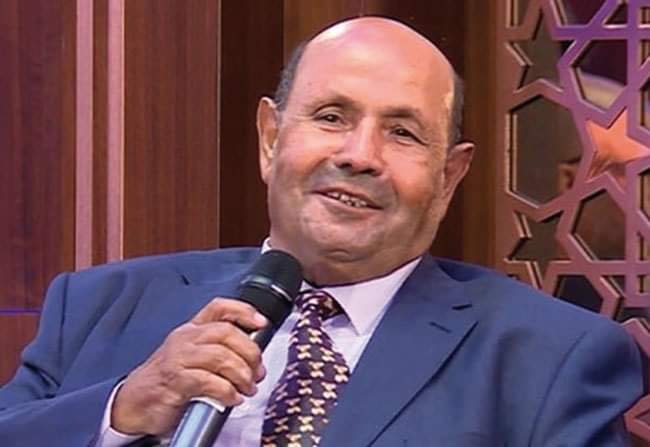
The U.S.-based Committee to Protect Journalists has called on Algerian authorities to “immediately and unconditionally” release veteran columnist Saad Bouakba, who was arrested on November 27 for comments on independence war.
He is facing charges of defaming late President Ahmed Ben Bella.
Bouakba was arrested in Algiers after Mahdia Ben Bella, daughter of Algeria’s first president, filed a complaint about the journalist’s interview broadcast on the local YouTube-based channel Vision TV News.
In the interview, Bouakba cited the former president’s unlawful distribution of funds belonging to the National Liberation Front (FLN), which led the struggle for independence from France during Algeria’s 1954 to 1962 war.
“Jailing 79-year-old journalist Saad Bouakba over remarks on Algeria’s independence-era history is an alarming escalation in the country’s crackdown on critical voices,” said CPJ Regional Director Sara Qudah.
“Algerian authorities must free Bouakba and stop using vague laws on false news and offenses to ‘national symbols’ to silence the press.”
Freedom of expression in Algeria is severely restricted in practice, despite being formally guaranteed by the constitution. Algerian authorities use a range of legal and extra-legal measures to silence dissent, resulting in widespread self-censorship, arbitrary detentions, and prosecutions of journalists, activists, and ordinary citizens.
The Algerian regime regularly arrests and detains individuals for peaceful expression, often using anti-terrorism legislation to prosecute them. Journalists like Ihsane El Kadi and activists such as Mohamed Tadjadit have faced significant prison sentences for their work or social media posts.
Furthermore, the Algerian government maintains significant influence over media outlets through state ownership of printing facilities and the state advertising agency. Independent outlets, such as Radio M and Maghreb Émergent, have been shut down. The government also monitors online activities and has the capacity to block websites and prosecute social media users for critical content.
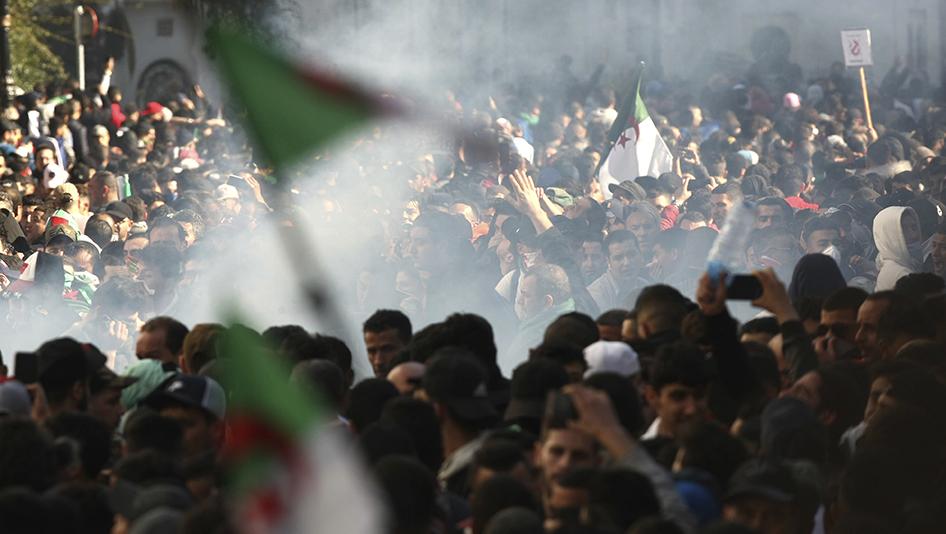
The “Hirak” protest movement, which began in 2019, has been met with increased repression, arrests, and the dispersal of demonstrations. A longstanding ban on demonstrations in the capital city of Algiers remains in effect.