As the UN Security Council edges closer to endorsing Morocco’s autonomy plan for the Sahara, the Algerian regime has launched a damage control operation of the collapse of its decades-long support for the Polisario front.
For a country that once boasted impressive diplomatic clout in the 1970s and 1980s, at the height of the Cold War, the current isolation is striking.
Algeria’s foreign policy was built on two pillars: money and ideology. Both have crumbled.
In the heyday of hydrocarbon wealth, Algerian envoys roamed African capitals with suitcases of cash, buying signatures for the RASD’s recognition. This transactional diplomacy worked in an era when oil rents flowed freely and governance standards were lax. But today, such tactics are scandalous to say the least.
No European leader will trade legitimacy for a briefcase of bills. Algeria’s inability to adapt to a rules-based international order has left it clinging to methods that belong to a bygone era.
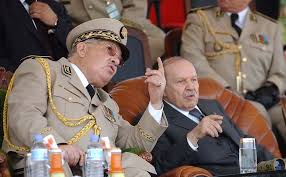
Algeria once sold itself as a revolutionary beacon, championing anti-colonial struggles and socialist solidarity. That narrative has evaporated. The country is now ruled by a gerontocratic elite, propped up by a military-business nexus that monopolizes oil and gas revenues while offering crumbs to a restless population.
The promised “progressivism” has devolved into repression: dissenters jailed, youth fleeing on makeshift boats, and a leadership that mistakes stagnation for stability.
Meanwhile, the ideological camp Algeria claims to inhabit has vanished. Russia and China have embraced pragmatic capitalism with the socialist bloc becoming a relic populated by pariahs like North Korea and Eritrea.
The autonomy plan championed by Morocco is gaining traction because it offers realism and stability in a region craving both. From Ghana to Belgium, nations are endorsing Rabat’s approach, recognizing that endless stalemate serves no one. Even Moscow, Algeria’s traditional ally, is recalibrating its stance. In this shifting landscape, Algiers appears stranded and armed only with outdated rhetoric and depleted resources.
The Sahara conflict was born of hubris and hostility, engineered by leaders who sought to fracture Morocco’s natural link to Africa. Today, that project lies in ruins. Algeria’s petro-dollars foreign policy and ideological posturing cannot survive in a world governed by pragmatism.
The question now is whether Algeria will cling to its illusions or confront reality as the UN Security Council prepares a vote later this month making autonomy the only basis for negotiations.
Instead of assuming its responsibility, Algeria is hiding again behind the thin Polisario curtain.