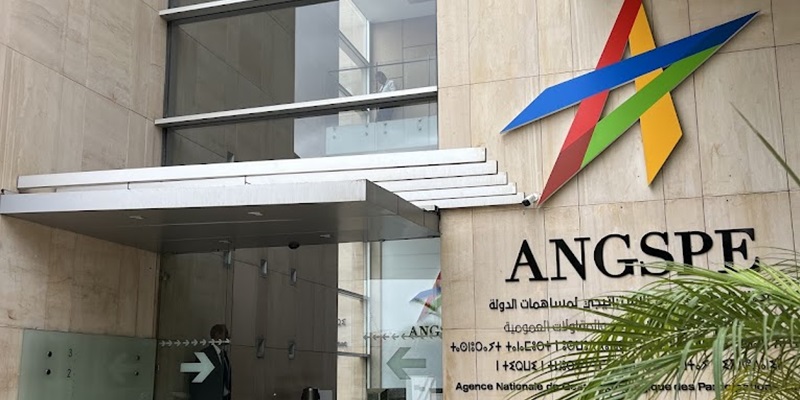
Morocco is moving forward with the operationalization of the national agency for the strategic management of state holdings (ANGSPE), a key institution created to modernize and professionalize the management of public assets, local media reported.
Established by decree-law in 2023, the ANGSPE is now entering its implementation phase. It will serve as the central body responsible for managing the Moroccan state’s direct and indirect shareholdings in public enterprises.
Its creation is part of a broader reform aimed at improving the governance, transparency, and performance of state-owned enterprises (SOEs).
The agency will be governed by a Strategic Orientation Council, chaired by the Head of Government and composed of key ministers, including those of finance, interior, and energy.
This council will define the agency’s strategic priorities and ensure alignment with national economic objectives.
The ANGSPE’s core missions include: managing and restructuring public enterprises to improve efficiency and reduce fiscal burdens; preparing certain entities for privatization or public-private partnerships (PPPs); enhancing corporate governance standards across the public sector; optimizing the state’s investment portfolio for better returns and strategic impact.
As part of its initial activities, the agency has launched a consultation process to select a consulting firm that will assist in evaluating the reorganization of Morocco’s public financial ecosystem, local media reported.
This includes assessing the feasibility of creating a public investment bank, which would consolidate and streamline state financial instruments and institutions.
This study will also explore the potential for grouping various public financial entities under a unified structure, often referred to as a “public financial hub”, to improve coordination and strategic investment planning.
The agency is expected to play a pivotal role in revitalizing Morocco’s public enterprise landscape, ensuring that state assets contribute more effectively to economic growth, innovation, and fiscal sustainability.