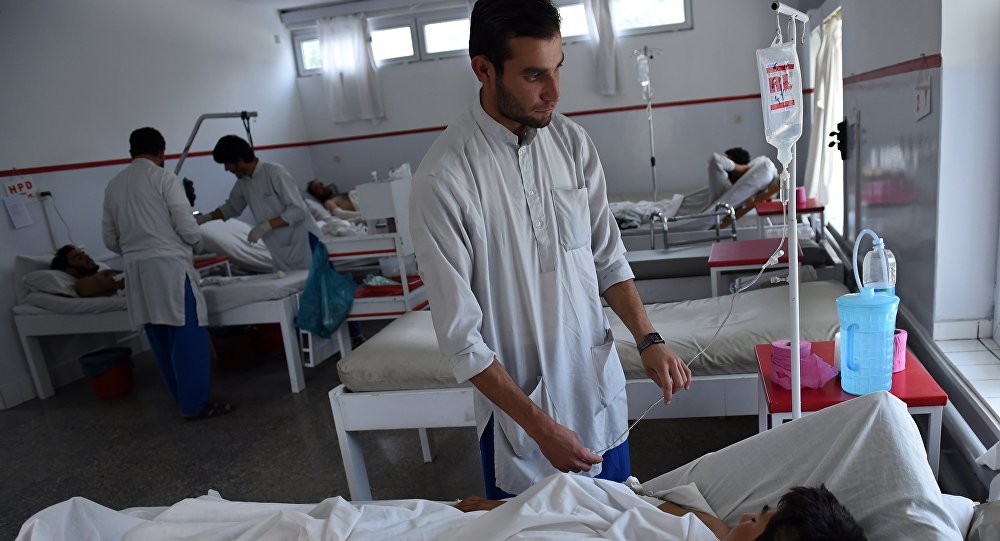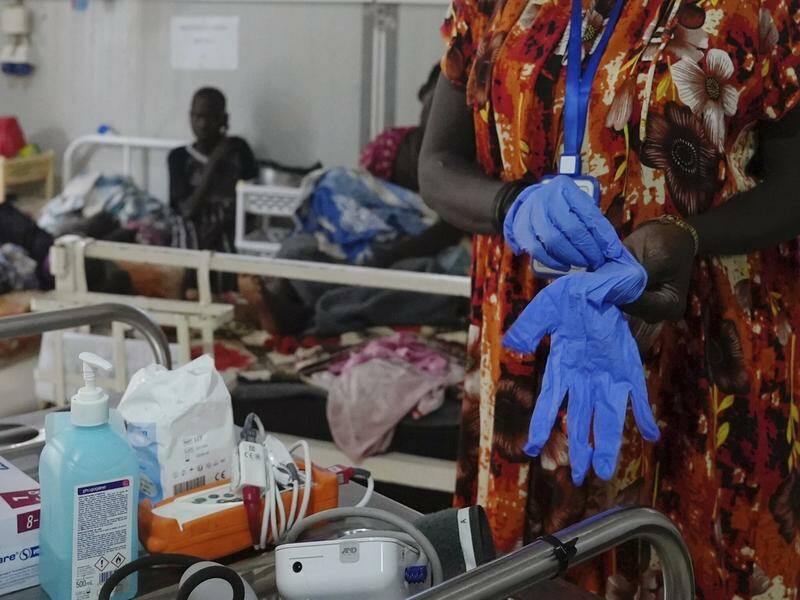
A devastating cholera outbreak has claimed the lives of over 170 people within a single week in Sudan, underscoring the compounding toll of a brutal civil conflict that has decimated infrastructure and overwhelmed public services. The Sudanese Health Ministry revealed on May 27 that 2,700 new cases were recorded in one week alone, with Khartoum State accounting for 90% of infections.
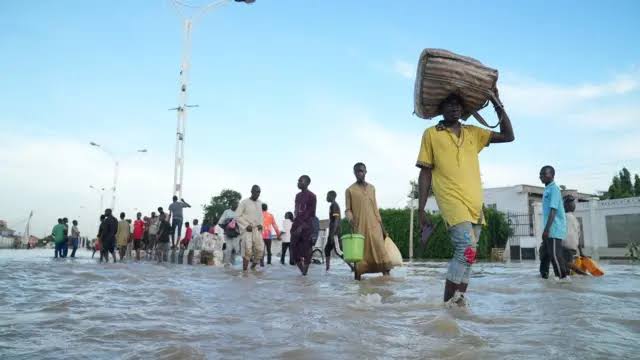
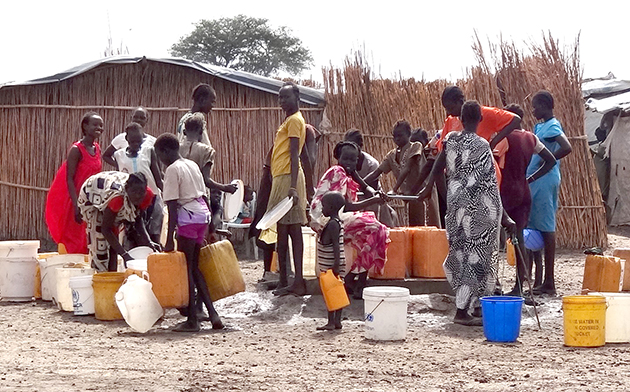
Access to clean water and energy has been crippled in the capital region, as fighting between the national army and the paramilitary Rapid Support Forces (RSF) rages on. The cumulative cholera caseload now stands at nearly 61,000, with 1,632 recorded fatalities since the government declared it a national epidemic in August 2024.
While the army has recently reclaimed substantial portions of Khartoum State—including the key urban centers of Khartoum, Bahri, and Omdurman—public health recovery remains far out of reach. The ongoing insecurity has paralyzed efforts to restore water treatment systems, deploy mobile clinics, or ensure sustained vaccine distribution. The RSF continues to hold territory in several regions, particularly in the Darfur area and parts of Kordofan and Blue Nile states, leaving swathes of the country inaccessible to humanitarian aid. The fragmentation of authority has made coherent disease containment a near-impossible endeavor.
The cholera resurgence is yet another layer of tragedy in Sudan’s relentless descent into chaos. Since April 2023, the civil war has not only reduced entire cities to rubble but also catalysed one of the world’s worst displacement crises. Over 20,000 people have been officially reported dead, with the United Nations estimating 15 million displaced; yet some academic studies suggest the death toll could be as high as 130,000. In this grim landscape, cholera thrives—an unforgiving consequence of war that targets the vulnerable and exposes the frailty of collapsed governance. As international attention wanes, Sudan’s suffering becomes both a humanitarian emergency and a moral indictment of global inertia.