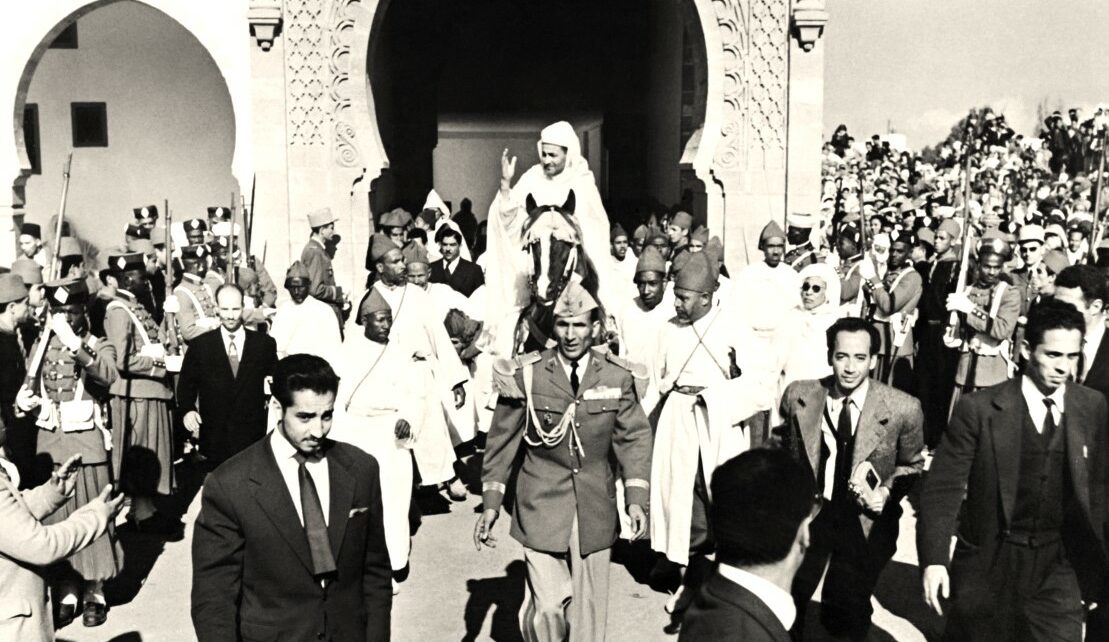
Morocco commemorates Independence Day this November 18, marking 71 years since the end of the protectorate established in 1912. The celebration provides opportunity to recall the struggle led by the Throne and the people for freedom, independence and national unity, and the sacrifices made under the Alaouite monarchy to regain sovereignty.
Before independence, Moroccans rose up and fought many battles against the foreign presence, including El Hri, Anoual, Bougafer, Jebel Badou and Sidi Bou Othman, as well as the uprising of the Aït Baamran tribes in the southern provinces. The national movement also worked to win international opinion to the Moroccan cause.
A key milestone came on January 11, 1944, when leaders of the national movement presented the Independence Manifesto to the protectorate authorities, in coordination with Mohammed V. The colonial authorities responded with a violent crackdown and the arrest of several leaders. On April 9, 1947, the late King made a historic trip to Tangier, reaffirming Morocco’s attachment to independence and territorial integrity.
Because Mohammed V refused to bow to pressure to cut ties with the national movement, the French authorities exiled him, along with the future Hassan II and the royal family, on August 20, 1953, first to Corsica and then to Madagascar. The news triggered the Revolution of the King and the People, with the start of a popular uprising, armed resistance, and the formation of secret cells.
The Revolution ended with the triumphant return of Mohammed V from exile, who announced the shift from the “lesser jihad” to the “greater jihad” of building a modern Morocco and completing its territorial integrity.


