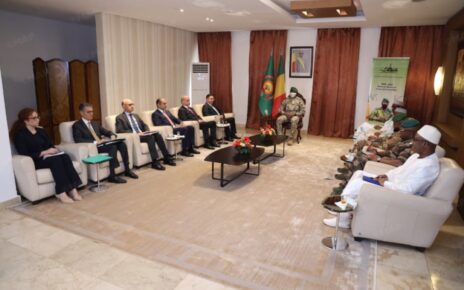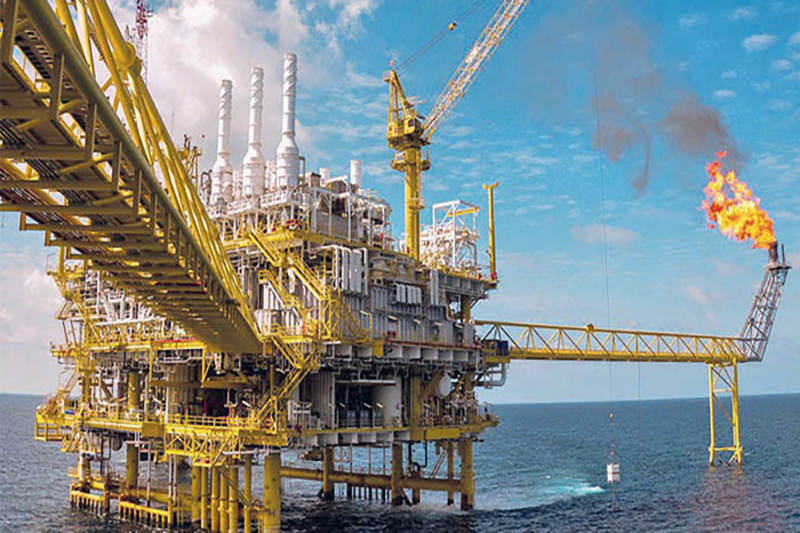
A Moroccan delegation will take part in a meeting to be organized by U.S. Trade development Agency in Houston on Sept.24 to discuss natural gas opportunities offered in Morocco which is expanding gas industry investments, including LNG imports, pipeline and storage capacity.
These investments are creating opportunities for U.S. companies to supply LNG and natural gas products, services, and technologies. Participants will also look into investments opportunities in Egypt and Jordan.
USTDA has invited American companies to meet senior decision-makers from the three countries that are advancing liquefied natural gas and related gas infrastructure priorities.
Participants will learn about upcoming project opportunities, showcase their solutions, and participate in targeted one-on-one meetings with delegates. The event will give U.S. suppliers the opportunity to hear directly from these countries about the status of gas infrastructure development, key challenges and needs, and current and upcoming projects.
For their part, the delegates will engage with U.S. companies specializing in areas such as natural gas extraction and production, LNG importation, exportation, transportation, pipeline development, and gas-to-power.
Morocco’s participation in the USTDA- Natural Gas Opportunities in the MENA region aligns with the country’s strategy to diversify its gas supply sources and strengthen its energy security amid growing demand for LNG to fuel power plants and industrial facilities.
Gas demand in Morocco is projected to rise to around eight bcm by 2027, driven by power generation and industrial growth as the country reduces coal dependence while targeting renewables to account for 52 percent of installed capacity by 2030.
Meeting this demand will require new infrastructure, increasingly in forms that offer flexibility, scalability and improved risk allocation. One area gaining traction is the development of modular LNG solutions. Phased infrastructure, particularly floating storage and regasification units, offers a pathway to bring capacity online more quickly while reducing upfront capital exposure.
Such models allow supply to scale alongside demand and provide greater resilience in a volatile pricing environment. At the same time, Morocco is advancing reforms to strengthen market structure and enhance competitiveness.