Morocco and Spain are preparing changes to their seasonal agricultural worker program, including the planned introduction of visas valid for up to four years and revised recruitment procedures, Moroccan Labor Minister Younes Sekkouri said.
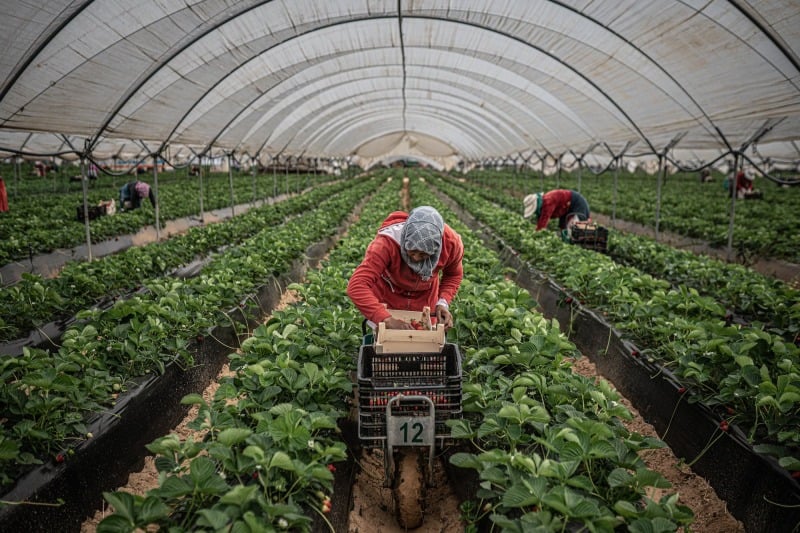
The reforms target a program that sends thousands of Moroccan women each year to work on Spanish farms, mainly in the southern province of Huelva, a major producer of strawberries and other berries.
Speaking in parliament, Sekkouri said the changes were intended to strengthen and stabilize a long-established system of circular migration under which workers travel to Spain for seasonal agricultural jobs and return to Morocco at the end of the harvest.
More than 81% of participants now return to Morocco after completing their contracts, he said.
The minister said the number of Moroccan seasonal agricultural workers in Spain had risen from around 3,000 a decade ago to more than 15,000 annually in recent years.
He said Morocco and Spain would also revise recruitment procedures as part of efforts to improve the program and better protect workers.
The minister acknowledged that challenges remained, particularly for first-time workers who face language barriers and have limited familiarity with Spanish labor laws and administrative procedures.
To address those issues, Moroccan authorities have expanded pre-departure training and awareness programs and intensified coordination with Spanish authorities and employers, Sekkouri said.
He added that he had recently held talks with agricultural employers in Huelva, which accounts for around 90% of Moroccan seasonal farm workers employed in Spain, to discuss practical and social challenges facing workers.
Morocco and Spain have also stepped-up cooperation through Morocco’s embassy and consular services in Spain to improve access to healthcare and administrative assistance for workers.
According to Sekkouri, the two countries have agreed to ensure seasonal workers obtain healthcare coverage and health cards upon arrival in Spain, rather than having access conditioned on the start of work.
Authorities are also working to improve access to complaint mechanisms and provide assistance to workers who may face language difficulties.
The program operates under a bilateral framework between Morocco and Spain and has become one of the most prominent examples of labor mobility cooperation between the two countries.