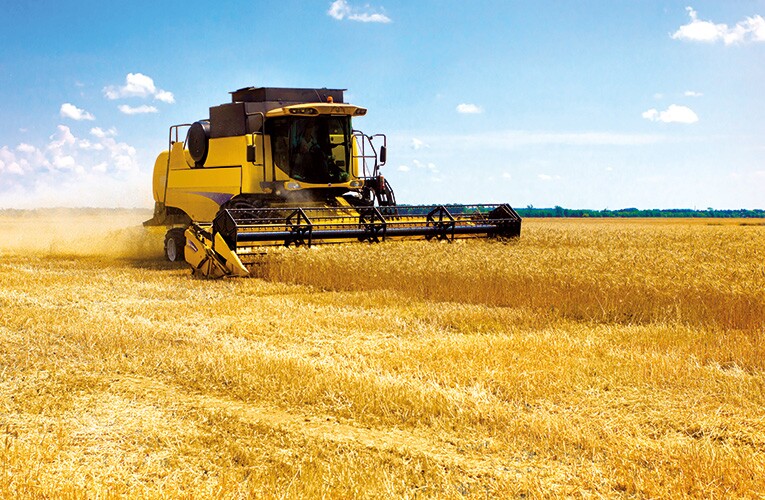
Morocco’s push to prioritize domestically produced wheat following a strong harvest is being hampered by bottlenecks in harvesting, rising costs and some quality concerns, industry officials and sector reports indicate.
After abundant winter rains ended a seven-year drought, Morocco expects cereals output to double this season to around 9 million tons.
To shield local farmers and encourage use of domestic supply, authorities imposed a steep 135% customs duty on wheat imports for June and July.
But despite the improved crop outlook, farmers are struggling to bring in the harvest.
Grain traders and millers told Reuters shortages of combine harvesters, high operating costs and labor deficits have delayed collection of wheat in several regions.
The problems have been exacerbated by overlapping holidays, ageing equipment and wet conditions that slowed fieldwork.
Sector officials warn that delays are exposing crops to risks including fire and heat damage, while some farmers must wait days or weeks for harvesting machinery to become available, according to Reuters.
Hespress highlighted the mismatch between the limited harvesting capacity and a larger cultivated area following improved rains.
Farmers face sharply higher equipment rental costs and a reduced rural workforce after years of drought pushed laborers away from agriculture, it said.
At the same time, quality issues are complicating Morocco’s effort to reduce imports.
Millers told Reuters domestic wheat protein levels average around 10.5%, below the 11.5% typically required for bread flour.
This shortfall is partly attributed to reduced use of nitrogen fertilizers, whose prices have risen sharply on global markets, Reuters said.
As a result, processors still need to blend local wheat with higher-protein imported grain to meet quality standards, limiting the extent to which imports can be cut.
Authorities have tied a potential resumption of imports from August to the collection of at least 1.2 million tons of local wheat, but traders describe that target as ambitious.
Collection has been slowed by logistical constraints and the tendency of small farmers to retain part of their production.
Further delays could tighten supplies later in the season and increase pressure on storage and port infrastructure, millers say.