Public appearances by representatives of the Algeria-based Polisario Front in activist and academic forums this month have underscored the group’s growing ideological alignment with Iran and the so‑called “axis of resistance,” reinforcing concerns in Washington and western capitals over its regional posture and external links.
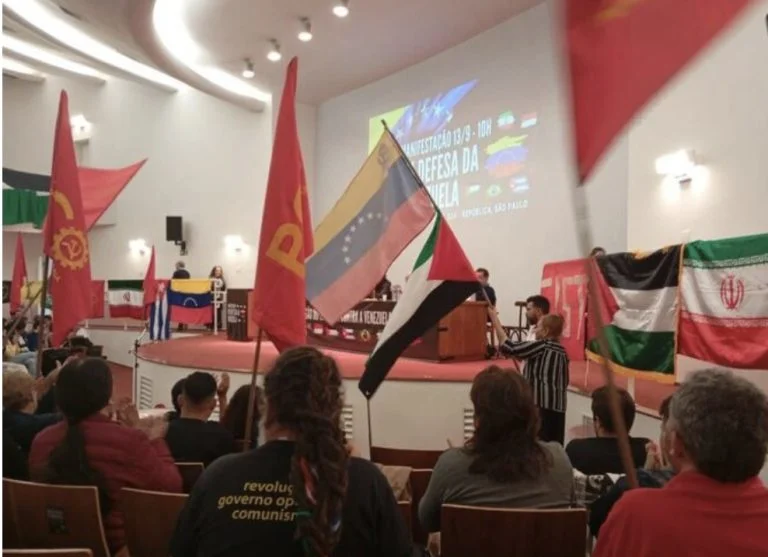
The Polisario took part in a series of events marked by explicit support for Iran in its confrontation with the United States and denunciations of Washington and its allies.
The group used these platforms to promote its separatist narrative alongside Iranian and Cuban diplomatic representatives, despite Brazil backing Morocco’s autonomy plan.
At several gatherings, Polisario envoy Ahmed Mulay Ali Hamadi cast the group’s campaign against Morocco as part of what he described as a broader anti‑imperialist struggle, drawing direct parallels with Iran’s conflict with the United States.
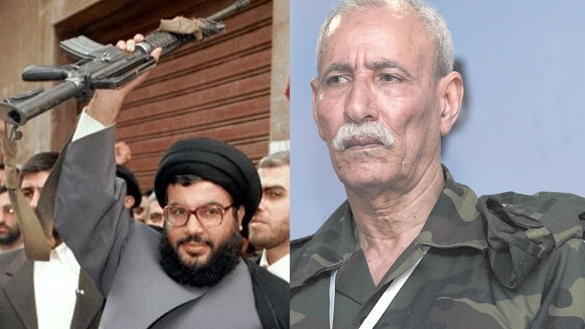
Beyond rhetoric, Polisario’s links with Iran are acknowledged publicly by senior Polisario officials. In late 2022, Omar Mansour, then the Polisario’s interior minister and a close aide to leader Brahim Ghali, publicly declared that the group would soon deploy armed drones against Moroccan forces in what he termed a “war of attrition” in the Sahara. The threat was made at a press conference in Nouakchott.
Moroccan officials and US lawmakers have taken such threats seriously. In 2018, Morocco cut ties with Iran due to its backing and arming – including through its Hezbollah proxies- of the Polisario.
The resurfacing of the movement in openly pro‑Iranian settings has renewed attention in the US Congress, where bipartisan legislation introduced in 2025 seeks to document the Polisario’s links with Iranian‑aligned networks and declare it a terrorist group.